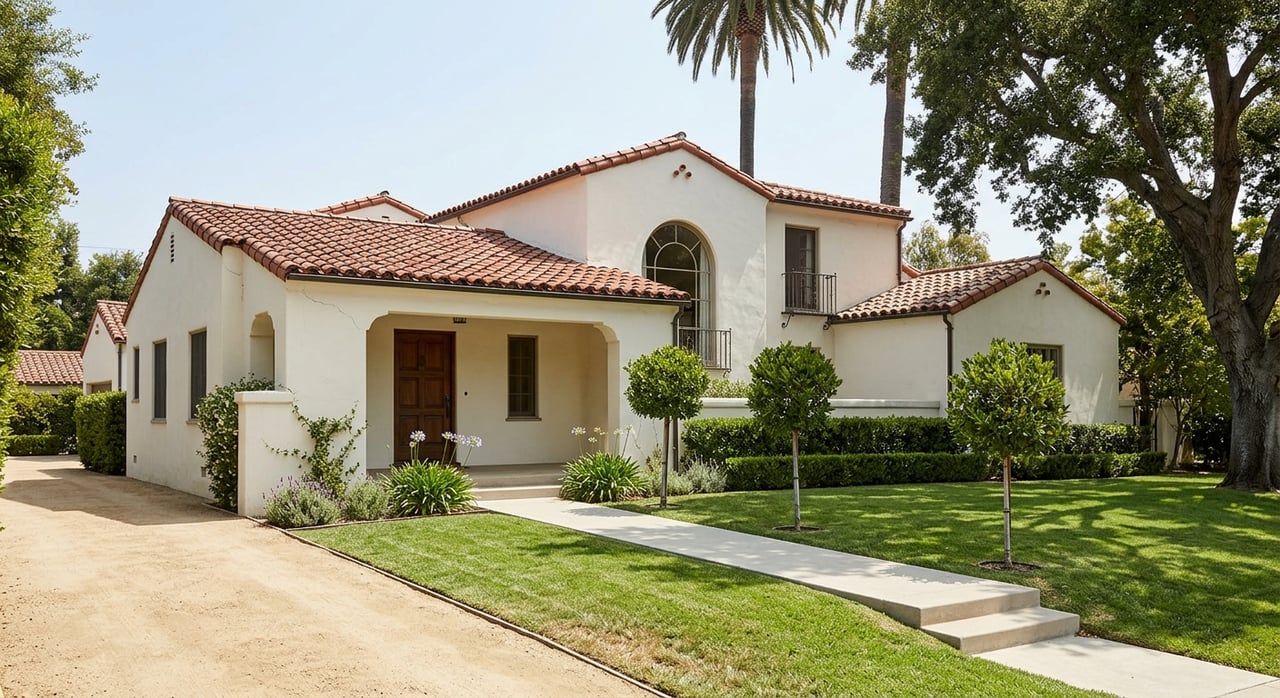
If you are selling a Hancock Park estate, you are not just putting another Los Angeles home on the market. You are positioning a historic asset in a neighborhood where architecture, preservation rules, and buyer expectations all shape value. The good news is that with the right pricing, prep, staging, and launch plan, you can create the kind of presentation that attracts serious attention and stronger offers. Let’s dive in.
Understand the Hancock Park difference
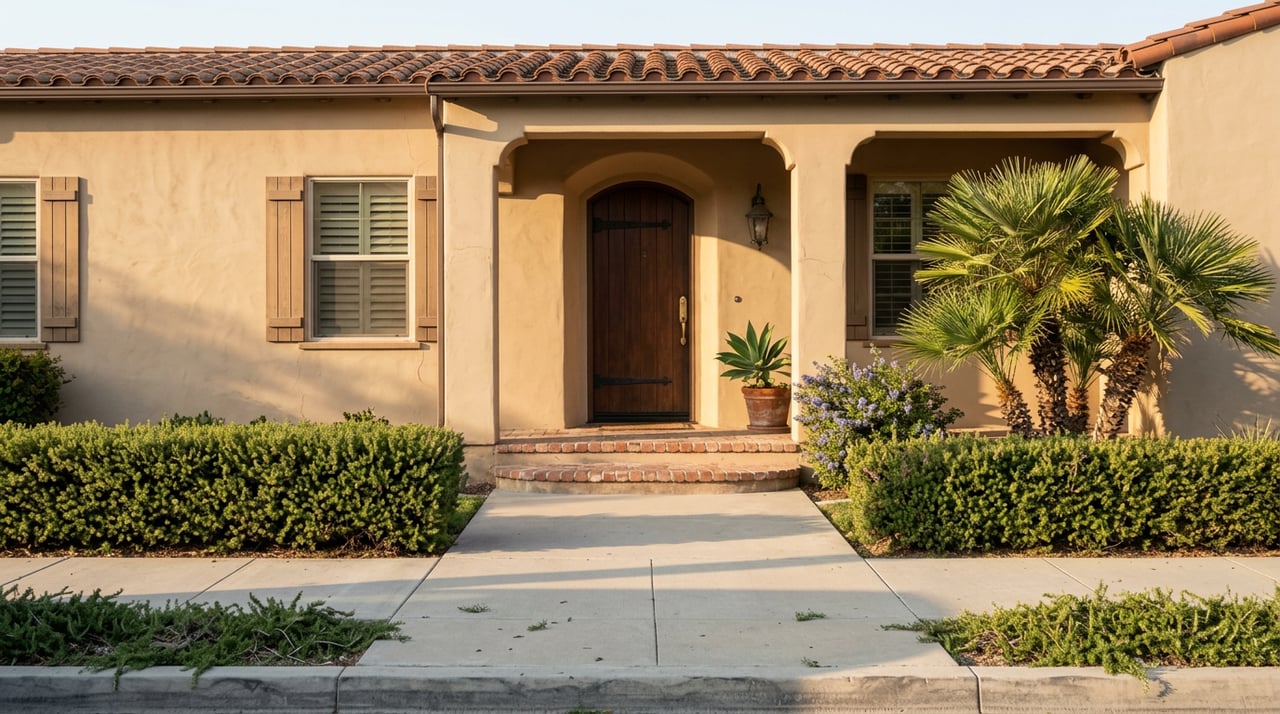
Hancock Park is a distinct estate market with a strong architectural identity. The City of Los Angeles describes it as a 1920s subdivision of substantial two-story single-family homes, often set back far from the street and designed in period revival styles.
That matters because buyers are not only evaluating square footage and finish level. They are also reacting to original details, lot placement, street presence, and how well the home reflects the neighborhood’s historic character.
Hancock Park is also an HPOZ, or Historic Preservation Overlay Zone. That means the home’s appearance, especially from the street, may be part of what makes it more valuable and more appealing to the right buyer.
Start with a property-specific pricing strategy
A top-offer strategy usually begins with disciplined pricing. In Hancock Park, that means avoiding the temptation to rely on a simple neighborhood median. Reviewing our core strategies on how to price your home in Los Angeles is a solid first step.
Current market snapshots show why broad averages can mislead. One recent source showed a median listing price of $2.79 million and 56 median days on market, while another showed a $995,000 median sale price and 140 median days on market across all home types. Those figures reflect different datasets and property mixes, so they are not enough on their own to price an estate home.
Instead, your pricing strategy should focus on recent comparable single-family sales that match your home as closely as possible. That includes:
- Architectural style
- Lot size and layout
- Level of updating
- Original character and integrity
- Pool, guest house, or secondary structure
- Permit history
- Overall condition
For a Hancock Park estate, these details can influence value far more than a broad area average. A well-preserved Spanish Colonial Revival with a strong floor plan and thoughtful updates may appeal to a very different buyer than a heavily altered house on a similar street. Familiarity with the architectural styles common in Hancock Park is crucial here.
Mills Act status can shape buyer perception
If your home has a Mills Act contract, that can be part of the value conversation. Los Angeles City Planning notes that contributing HPOZ properties with Mills Act contracts may qualify for a property tax reduction, and that contract transfers to a new owner when the home sells.
That does not automatically set a higher price, but it can matter to informed buyers comparing ownership costs and historic-home benefits. It is one more reason your pricing and marketing should reflect the exact property, not a generic neighborhood number.
Get disclosure-ready early
Strong offers do not come from presentation alone. They also come from reducing uncertainty.
In California, sellers provide a Transfer Disclosure Statement covering physical condition, hazards, and defects, and buyers also receive natural hazard disclosures. If your home has been in the family for years, is being sold through a trust or estate, or has had multiple phases of work over time, gathering records early can make a big difference. This preparation is especially vital if you're navigating a probate sale in Hancock Park.
Before launch, it helps to organize:
- Permit records
- Repair invoices
- Service history for major systems
- Notes on prior alterations or additions
- Any documentation tied to historic designation or Mills Act status
When buyers and their advisors can review a more complete picture up front, due diligence tends to move more smoothly. That can reduce friction later, especially when you are trying to hold a strong negotiating position.
Choose prep that respects the home
In Hancock Park, more renovation is not always better. Often, the smarter question is what level of prep will improve marketability without undermining the home’s architectural character or delaying the sale. For specialized guidance, see our tips on how to decorate and prepare a historic home.
The Hancock Park preservation plan emphasizes preserving the historic appearance of contributing structures, especially visible facades. It also encourages repair before replacement and says replacement elements should closely match original materials and finishes.
That is why lighter, thoughtful preparation is often the best path. Instead of over-remodeling, sellers often benefit most from:
- Deep cleaning
- Decluttering
- Paint and finish touch-ups where appropriate
- Minor repairs
- Servicing HVAC, plumbing, and other core systems
- Landscape cleanup and maintenance
These updates can improve presentation without stripping away the features buyers may value most.
Check exterior work before scheduling it
Because Hancock Park is within an HPOZ, exterior work is subject to added review. The City of Los Angeles says landscaping, paint, alterations, additions, and other exterior changes may require project review.
Some maintenance and repair work may qualify for administrative clearance, while larger changes can require a longer entitlement process. For sellers, that means curb appeal projects should be checked early, before they become part of your listing timeline.
A rushed exterior change that triggers review can delay your launch. In a market where timing and first impressions matter, that is avoidable with proper planning.
Give yourself enough runway
Many sellers underestimate how long thoughtful preparation takes. Zillow reports that most people start thinking about selling three to four months before listing, and that timeline is realistic for a Hancock Park estate.
Historic homes often need more coordination, not less. You may need time to assess repairs, review exterior work, gather records, complete disclosures, plan staging, and schedule photography once the property is truly ready.
If the home is part of a trust or probate sale, you may also be coordinating among family members, attorneys, or fiduciaries. Building in enough lead time gives you more control and usually results in a cleaner market debut.
Stage the architecture, not just the rooms
In a home like this, staging should support the architecture rather than compete with it. Buyers need to see how they would live in the home, but they also need to feel what makes it special.
According to NAR’s 2025 staging survey, 83% of buyers’ agents said staging made it easier for buyers to visualize a property as their future home, and 29% reported that staging increased dollar value offered by 1% to 10%.
That does not mean filling every room with furniture. It means making the most important spaces feel clear, scaled, and livable.
Focus on the rooms that shape emotion
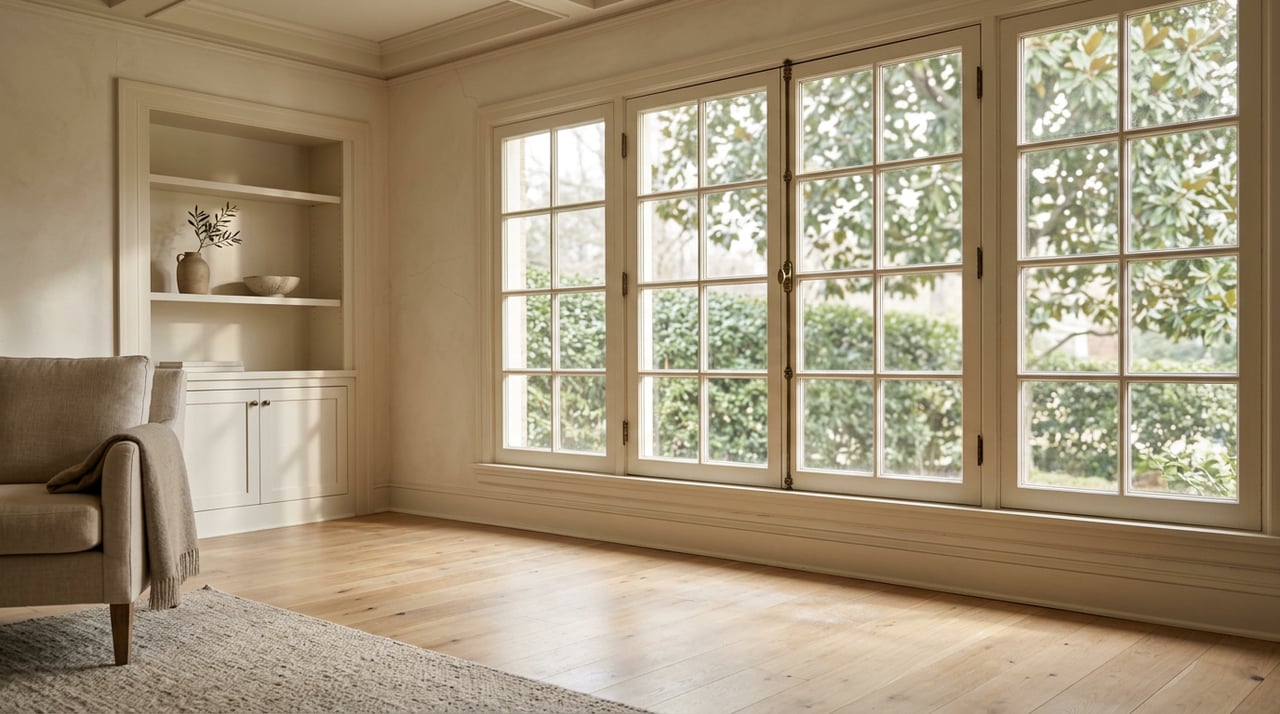
The rooms most commonly staged are the living room, primary bedroom, dining room, and kitchen. For many Hancock Park estates, those are also the rooms where original fireplaces, millwork, ceiling details, windows, and sightlines have the strongest impact.
A restrained staging plan can help buyers notice:
- Staircases and entry sequences
- Garden views
- Natural light
- Original woodwork
- Formal entertaining spaces
- Everyday livability in kitchens and family areas
The goal is not to overpower the house. The goal is to help buyers imagine living beautifully in it. Reviewing DIY staging tips can provide a helpful starting point.
Highlight what today’s buyers are searching for
Recent Zillow search data shows buyers are paying close attention to flexible space, outdoor living, privacy, guest-house or ADU-style functionality, and everyday comfort.
That insight matters in Hancock Park. If your home has a den that can read as an office, a detached guest space, hedged grounds, or a backyard set up for outdoor use, those features should be visible in both staging and marketing.
Even in a historically significant house, buyers are still looking for a lifestyle fit. The best presentation bridges old-LA character with modern use.
Treat media as part of the product
Buyers are finding homes online first, and they are making fast judgments. NAR reports that 52% of buyers found the home they purchased online, nearly half began their search online, and 81% rated listing photos as the most useful feature.
For a Hancock Park estate, that means your digital presentation is not a side detail. It is a central part of the sales strategy.
Photos, video, and virtual tours should be planned around what makes the home distinctive. The lead image matters. The first five photos matter. The first 72 hours online matter.
A strong media plan should show:
- The facade and approach
- Signature architectural details
- Best formal and casual living spaces
- Indoor-outdoor flow
- Privacy and lot presence
- Secondary structures, if applicable
When the online presentation is polished and intentional, you have a better chance of attracting the right buyers early, when listing momentum is strongest.
Launch broadly for the best chance at top offers
If your goal is the strongest possible offer environment, broad exposure usually matters. Zillow research found that sellers who did not use the MLS in 2023 and 2024 sold for less on median nationwide, and California off-MLS sellers typically gave up more than $30,000.
Even in higher price tiers, off-MLS sales still showed a median loss. For most Hancock Park sellers, that supports a public launch strategy unless there is a very specific reason to limit exposure.
Sequence the launch carefully
A strong launch is about order as much as timing. In most cases, the best sequence looks like this:
- Complete prep work
- Finalize disclosures and records
- Stage the property
- Capture photography, video, and virtual-tour assets
- Launch publicly on the MLS
- Promote through the agent network
- Use open houses and previews to gather feedback and convert interest
The California Department of Real Estate notes that open houses help market the property, highlight selling points, and surface what buyers are noticing. For a one-of-a-kind estate, that feedback can be useful during the first week on market.
Time the listing around readiness and seasonality
Timing can help, but readiness comes first. Research points to spring as a favorable launch window, with one source naming late May as a national sweet spot and another suggesting West Coast markets often peak earlier, with March typically strongest.
For Hancock Park, that supports a spring listing strategy in many cases, but only if the home is fully prepared. It is usually better to launch a polished property a little later than to go live early with incomplete prep, weak media, or unresolved disclosure issues.
In this market, top offers are often earned before negotiations begin. They come from the work you do in advance.
Position the home as the asset it is
The biggest mistake a Hancock Park seller can make is marketing an estate home like any other listing. Buyers here often care about provenance, architecture, preservation, and the subtle details that make one property stand apart from another.
When you price against the right comps, prepare with restraint, stage for both beauty and function, and launch with broad, polished exposure, you create the conditions for stronger competition. That is how a special property is positioned for top offers. For a broader overview of the selling process in this area, read our guide on selling a home in Hancock Park.
If you are preparing to sell a Hancock Park estate or exploring your property's valuation, Barrentine Group brings a design-aware, strategy-first approach shaped by deep experience with historic Los Angeles homes, seller preparation, and complex estate situations. Work With Us today.
FAQs
How should you price a Hancock Park estate home?
- You should base pricing on comparable single-family homes with similar architecture, lot size, condition, updates, and historic character rather than relying on neighborhood-wide median numbers.
What prep work matters most before selling a Hancock Park historic home?
- The most effective prep is often light and thoughtful, including cleaning, decluttering, minor repairs, system servicing, and carefully planned cosmetic refreshes that respect the home’s original character.
Do Hancock Park sellers need to think about HPOZ rules before listing?
- Yes. Exterior work such as paint, landscaping, alterations, and additions may be subject to HPOZ review, so it is smart to confirm requirements before starting curb appeal projects.
Does staging really help a Hancock Park estate home sell?
- Staging can help buyers better visualize the home and may improve offer strength, especially when it highlights architecture, key living spaces, flexible rooms, and outdoor areas.
Why is online marketing so important for a Hancock Park home sale?
- Many buyers begin their search online, and listing photos are one of the most useful features during that process, so strong visuals and a polished digital debut can significantly affect early interest.
Should a Hancock Park estate home be listed publicly on the MLS?
- In most cases, yes. Broad MLS exposure gives the home the best chance to reach qualified buyers and create competitive pressure that can support stronger offers.