How to Price Your Home in Los Angeles: 3 Strategies Every Seller Should Know
How to Price Your Home in Los Angeles (Quick Answer)
Pricing a home in Los Angeles usually follows three primary strategies used by experienced real estate professionals:
-
Aspirational Pricing – Listing the home above market value in hopes of attracting a buyer willing to pay a premium, often used for unique or architecturally significant properties.
-
Market Perception Pricing – Pricing the property within the range where the market is most likely to respond based on comparable sales, buyer demand, and current market conditions.
-
Event Pricing Strategy – Pricing the home slightly below perceived market value to generate strong interest, increase showings, and potentially create competition among buyers.
In neighborhoods like Miracle Mile in Los Angeles, where historic homes and distinctive architecture are common, pricing strategy must consider not only comparable sales but also the rarity and character of the property.
Choosing the right pricing approach helps attract serious buyers, generate stronger offers, and ultimately maximize the final sale price.
If you’re thinking about selling your home in Los Angeles, one of the most important decisions you’ll make is how to price it.
Pricing your home correctly can mean the difference between generating strong buyer demand and watching your property sit on the market. In some cases, the wrong pricing strategy can cost a seller tens—or even hundreds—of thousands of dollars.
At the Barentine Group, we often explain that the market already has a perception of what your home is worth. The real question is how to position your property so that perception works in your favor.
This is especially true in neighborhoods like Miracle Mile, where historic architecture, character homes, and unique properties can make pricing strategy more nuanced than in other parts of the city.
Before a home ever goes on the market, understanding how buyers evaluate homes—and how the Los Angeles market responds to pricing—can make a significant difference in the outcome of a sale.
Learn more about the Miracle Mile neighborhood here:
Home Valuation
Seller and Buyer Resources
Three Common Home Pricing Strategies in Los Angeles
In the Los Angeles real estate market, there are three primary pricing strategies that sellers typically consider.
Understanding how each approach works can help determine which strategy is most appropriate for your property.
1. Aspirational Pricing
Aspirational pricing means listing a home above what the market might reasonably expect, hoping that the right buyer will eventually pay that higher number.
This strategy can sometimes work when a property is truly unique.
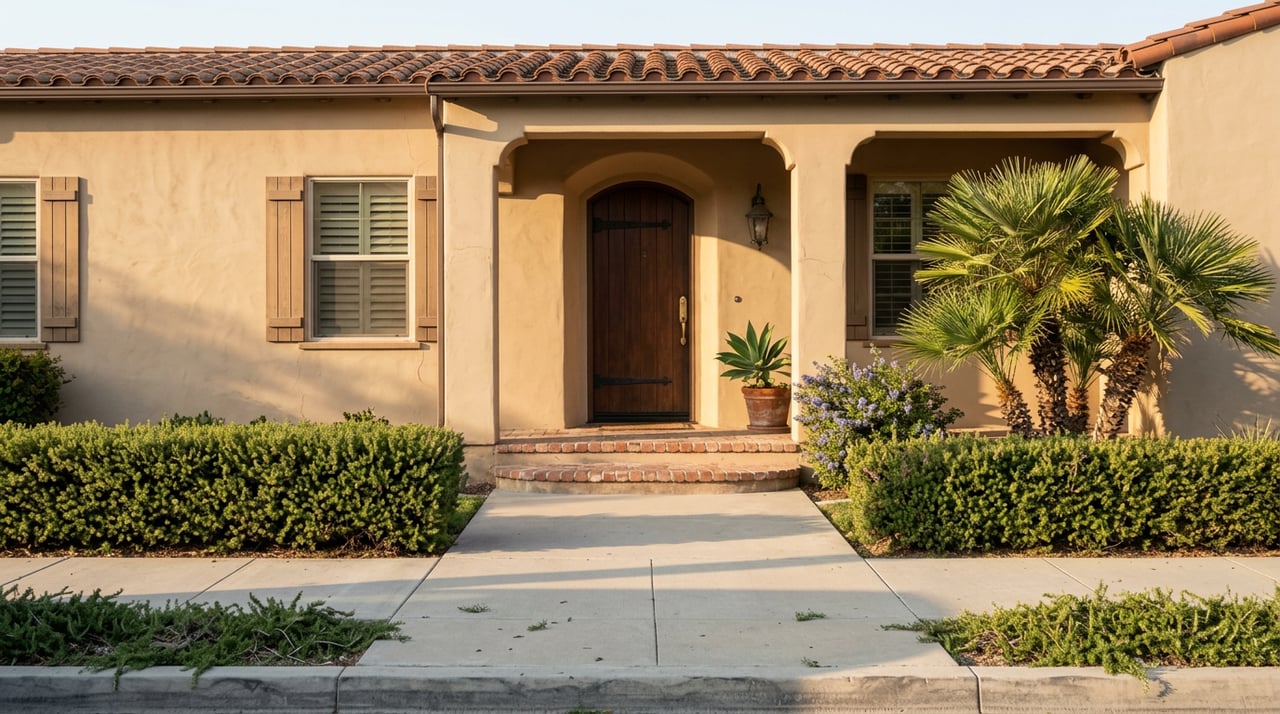
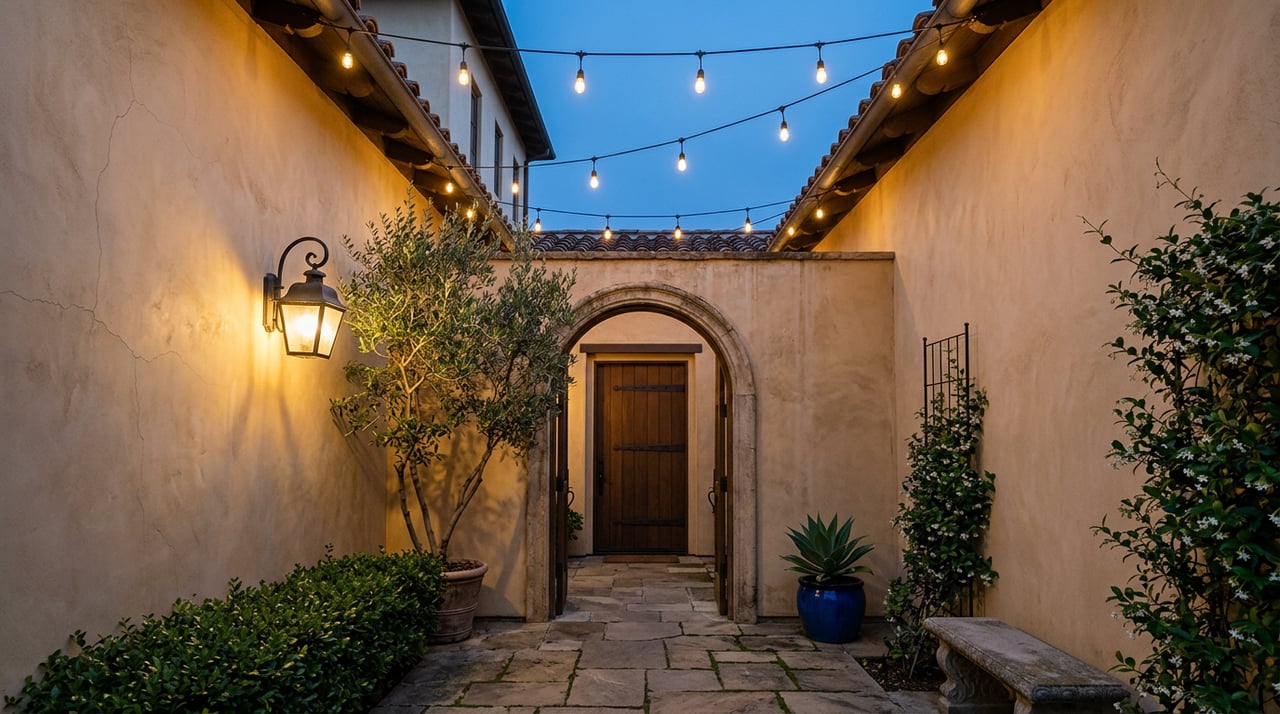
In neighborhoods like Miracle Mile, for example, certain homes may feature architectural styles from the 1920s and 1930s, including Spanish Revival or other historic designs that are difficult to compare directly with other properties.
Some features buyers love in these homes include:
• Original hardwood floors
• Hand-crafted plaster details
• Arched doorways and windows
• Historic tile work
• Distinctive architectural character
These homes often feel very different from newer construction because of the craftsmanship and materials used during that era.
However, even homes with remarkable character must still align with the market. Aspirational pricing carries risk, because if a home sits on the market too long, buyers may assume something is wrong with it.
2. Market Perception Pricing
Market perception pricing is the strategy most closely aligned with how buyers actually behave.
Rather than guessing a number based on hopes or past investment, this approach focuses on where the market is most likely to respond today.
Buyers in Los Angeles are extremely informed. By the time they walk through a property, they’ve usually already studied comparable sales, neighborhood trends, and similar homes currently on the market.
Pricing within the realistic range of market perception tends to create more interest and stronger offers.
For homes in neighborhoods like Miracle Mile, this often means carefully evaluating comparable historic properties while also considering the rarity and architectural significance of the home.
Explore homes currently available in the area:
[LINK: Homes for Sale in Miracle Mile]
3. Event Pricing Strategy
The event pricing strategy is designed to create strong interest immediately.
With this approach, the home is priced slightly below its perceived market value—often around five to ten percent lower.
This strategy can generate:
• Increased showing activity
• More buyer attention
• Greater urgency among buyers
• Potential multiple-offer situations
When buyer competition increases, the final sales price can sometimes exceed what the property might have achieved if it had been priced higher from the start.
Why Overpricing Can Hurt a Sale
Many sellers assume pricing high is safe because they can always reduce the price later.
In reality, homes that begin too high often lose momentum early.
Buyers today research properties carefully before scheduling showings. If a property appears overpriced compared to other homes in the neighborhood, many buyers simply move on.
One principle we often discuss is what we call the “10 and 0 rule.”
• If a home receives zero showings within the first ten days, the price may be too high.
• If a home receives ten showings but zero offers, a price adjustment may still be necessary.
The early days of a listing are when buyer interest is strongest.
Days on Market Matter
The longer a property stays on the market, the more buyers begin asking questions:
Why hasn’t the home sold?
Is there something wrong with the property?
Is the seller unrealistic about price?
Even when nothing is wrong with the home, this perception can influence buyer behavior and affect the final sale price.
That’s why pricing correctly from the beginning is often the most effective strategy.
Pricing Historic Homes in Miracle Mile
Homes in the Miracle Mile neighborhood are particularly interesting because many were built during the 1920s and 1930s, an era known for detailed craftsmanship and distinctive architecture.
Buyers are often drawn to these homes because of:
• Historic architectural character
• Unique craftsmanship and design
• Walkable proximity to museums and cultural landmarks
• The neighborhood’s central location within Los Angeles
Historic homes can hold their value well because they are often limited in number and difficult to replicate with modern construction.
However, even historic homes must still be priced carefully based on market demand and comparable sales.
Working with the Market, Not Against It
At the Barentine Group, pricing strategy is one of the most important conversations we have with sellers before a property goes on the market.
Understanding how buyers think—and how the Los Angeles real estate market responds to price—helps position a home for the strongest possible outcome.
Whether you’re selling a historic home in Miracle Mile or another property anywhere in Los Angeles, the right pricing strategy can make all the difference.
If you're thinking about selling your home, you can also explore your options here:
Home Valuation
Seller and Buyer Resources
Frequently Asked Questions About Pricing Homes in Los Angeles
How do I determine the right price for my home in Los Angeles?
The right price is based on comparable sales, current buyer demand, and local market conditions. Pricing within the realistic range of market perception typically attracts the strongest interest from buyers.
What happens if a home is priced too high in Los Angeles?
When a home is priced above market perception, it often receives fewer showings and may stay on the market longer. Buyers may assume something is wrong with the property, which can lead to price reductions later.
Why do historic homes in Miracle Mile attract buyers?
Historic homes often feature architectural styles such as Spanish Revival, distinctive craftsmanship, and original design details from the early twentieth century. These features create character that is difficult to replicate in newer construction.
Are homes in Miracle Mile considered rare?
Yes. Many homes in Miracle Mile were built nearly a century ago and represent a limited supply of historic architecture in Los Angeles, which contributes to their desirability.
Is pricing slightly below market value a good strategy?
In some situations, pricing slightly below perceived market value can generate strong buyer interest and create competition that drives the final sales price higher.