If you are selling a Miracle Mile home after a death in the family, it can feel like you are managing three things at once: grief, legal paperwork, and a property with real historic value. That is a lot to carry, especially when family members may be making decisions from different places and on different timelines. The good news is that with the right sequence, you can protect the home’s value, avoid unnecessary mistakes, and make the process more manageable. Let’s dive in.
Why Miracle Mile changes the sale
Selling an estate property in Miracle Mile is not quite the same as selling a typical Los Angeles home. Miracle Mile is a designated Historic Preservation Overlay Zone, or HPOZ, adopted in 2017, and the preservation plan describes a district of 1,347 properties. Roughly 80% of surveyed parcels retained enough integrity to be treated as contributors or altered contributors.
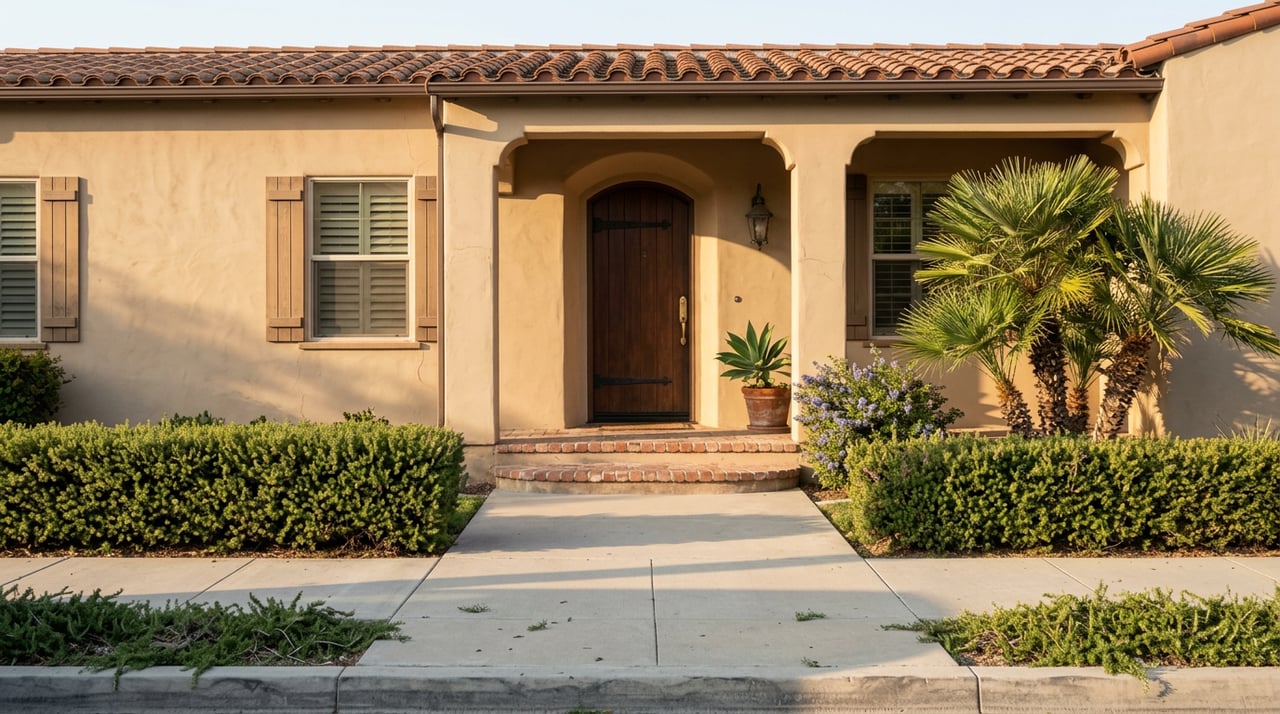
That matters because buyers in this area often respond to more than square footage or finishes. The district developed largely between the 1920s and 1940s, and its identity is tied to Period Revival architecture, mature trees, consistent setbacks, and detached rear garages with driveways. In practical terms, the home’s setting and visible character can be a major part of its value story.
Start with legal authority
Before you clean out the home, sign listing paperwork, or schedule major work, confirm who has authority to act. In California, the answer depends on how title was held and what estate documents are in place.
If the property is in a living trust, the trustee usually handles the sale under the trust document instead of through probate court. If the home was not placed in trust and cannot pass by a simpler method, probate may be required, and the court appoints a personal representative to collect assets, pay debts, and distribute what remains.
In a probate case, authority is not automatic. The executor generally needs letters testamentary, and an administrator generally needs letters of administration, before acting on behalf of the estate. Some sales can move forward under existing authority, while others may need court confirmation before closing.
Probate and trust timelines matter
Many families assume they can launch an estate sale on a normal listing schedule. In reality, probate in California can take about 9 months to 1.5 years or longer, and formal probate often includes an inventory and appraisal step.
That does not mean every estate sale takes that long to market or close. It does mean you should avoid making timing promises until the legal path is clear. A trust sale may move more directly, but the trustee’s authority still needs to be verified before the process begins.
If there is a will, California Courts says the original will must be delivered to the court. That small step can affect the whole timeline, so it is worth addressing early.
Verify the home’s historic status
Once authority is clear, the next step is to understand exactly what you are selling. In Miracle Mile, that means checking whether the property is identified through the City’s historic research tools and how it is categorized.
HistoricPlacesLA is the City of Los Angeles inventory for designated and surveyed historic resources. ZIMAS can also be used to check whether a property is designated or formally determined eligible. For an estate, this helps you understand whether the house is considered a contributor, altered contributor, or non-contributor before work starts.
That distinction can shape prep decisions, buyer expectations, and how you market the property. It can also help avoid changes that weaken the home’s appeal in a district where authenticity carries real weight.
Be careful with exterior changes
This is one of the biggest estate-sale issues in Miracle Mile. The City’s HPOZ materials state that proposed exterior alterations and additions are reviewed, including work such as additions, window or door changes, and fences, while interior remodeling does not require HPOZ approval.
For a seller, the takeaway is simple: do not rush into visible exterior work just because the house feels dated. Replacing original windows, changing doors, or altering street-facing features before confirming review requirements can create delays or reduce the historic character buyers value.
In many cases, the safer approach is selective, reversible, and character-sensitive preparation. Clean, repair, document, and preserve what you can before deciding to replace original features.
Document before clean-out
Estate clean-outs often move too fast. In a historic home, that can be costly.
In formal probate, the personal representative gathers estate assets and prepares an inventory and appraisal. In Miracle Mile, it also makes sense to photograph and catalog original details before anything is removed. That can include built-ins, tile, doors, windows, hardware, light fixtures, millwork, and other architectural elements that help tell the home’s story.
This step helps in several ways:
- It supports estate record-keeping
- It reduces disputes about what was in the house
- It protects historically significant features from accidental disposal
- It gives your marketing team stronger material for pricing and presentation
For many families, this is where a structured plan makes the biggest difference. When several heirs are involved, documentation can create clarity and lower stress.
Follow a smart sale sequence
When a Miracle Mile estate property is involved, order matters. A thoughtful sequence helps protect value and keeps the process from becoming more complicated than it needs to be.
A practical path usually looks like this:
- Confirm title and legal authority
- Determine whether the sale is through probate or trust
- Gather estate records and inventory contents
- Verify historic status through City tools
- Decide what original features should be preserved
- Complete clean-out carefully
- Handle only the repairs that make sense
- Prepare staging, photography, pricing, and launch timing
- Coordinate escrow and any required court steps
This kind of approach is especially helpful when family members are out of area or when multiple parties need updates and decisions at the same time.
Market the character, not just the house
In Miracle Mile, the sale story should go beyond bedrooms and baths. The preservation plan highlights features that shape the district’s identity, including Period Revival architecture, mature landscape patterns, uniform setbacks, and detached rear garages.
That means buyers are often looking for a home that feels authentic and well cared for, not one that has been stripped of its original personality. For many estate sellers, the goal is not to modernize away the house’s identity. It is to present the home honestly, cleanly, and strategically so buyers can see both its condition and its architectural value.
This is where design-aware marketing matters. Good preparation can help a buyer understand what is original, what has been updated, and why the property fits the broader Miracle Mile streetscape.
Watch for Mills Act issues
Some qualified historic properties in Los Angeles may be candidates for the Mills Act, which is a tax-incentive program for historic properties. City materials state that eligible properties must be City-designated Historic-Cultural Monuments or contributing properties in a designated HPOZ.
If the property already has a Mills Act contract, that contract transfers with the property when it is sold. In an estate situation, that can affect pricing, disclosures, and buyer expectations, so it is worth confirming early rather than discovering it late in escrow.
Understand property tax changes
Families are often surprised by property tax questions after a death. In California, death and sale can both be change-in-ownership events in many situations.
The Board of Equalization says assessors review recorded deeds and may reassess property to fair market value when ownership changes. If there is no probate, the change-in-ownership statement is generally due within 150 days of death. If the estate is probated, it is filed with the Inventory and Appraisal.
There are also important exceptions. Transfers between spouses and registered domestic partners are generally excluded, and Proposition 19 changed prior parent-child and grandparent-grandchild rules by limiting when those transfers can avoid reassessment. Because tax treatment depends on title, relationship, and filing deadlines, it is wise to confirm the details with the county assessor or a property-tax professional.
Why estate sales need coordination
A Miracle Mile estate sale is rarely just a normal sale with a different owner. It is often a coordination project involving title authority, family decision-making, historic preservation concerns, clean-out logistics, prep strategy, and property tax reporting.
That is why early planning matters so much. When the legal team, tax advisors, and listing team are aligned from the start, you are more likely to preserve value, avoid unnecessary work, and move forward with fewer surprises.
If you are preparing to sell a historic Miracle Mile home in probate or trust, working with a team that understands both estate process and character-property presentation can make the path much clearer. For calm, strategic guidance and hands-on support, connect with Barrentine Group.
FAQs
Who can sign listing papers for a Miracle Mile estate sale?
- The person with legal authority, such as a trustee under the trust or a court-appointed personal representative with the proper letters, is generally the one who can sign.
Does a Miracle Mile probate sale always need court confirmation?
- No. Some probate sales can move forward under existing authority, while others require court confirmation before the sale can close.
Can you clean out a historic Miracle Mile home before probate authority is confirmed?
- It is safer to confirm authority first and document the home’s contents and original features before making irreversible clean-out decisions.
Do exterior repairs on a Miracle Mile HPOZ home need review?
- Visible exterior work such as additions, window or door changes, and fences may require HPOZ review, while interior remodeling does not require HPOZ approval.
Can a Miracle Mile estate property have a Mills Act contract?
- Yes. Some qualifying historic properties may have a Mills Act contract, and an existing contract transfers with the property when it is sold.
Does property tax change after inheriting or selling a Los Angeles home?
- It can. Death and sale are change-in-ownership events in many situations, although some exclusions and special rules may apply depending on the transfer.