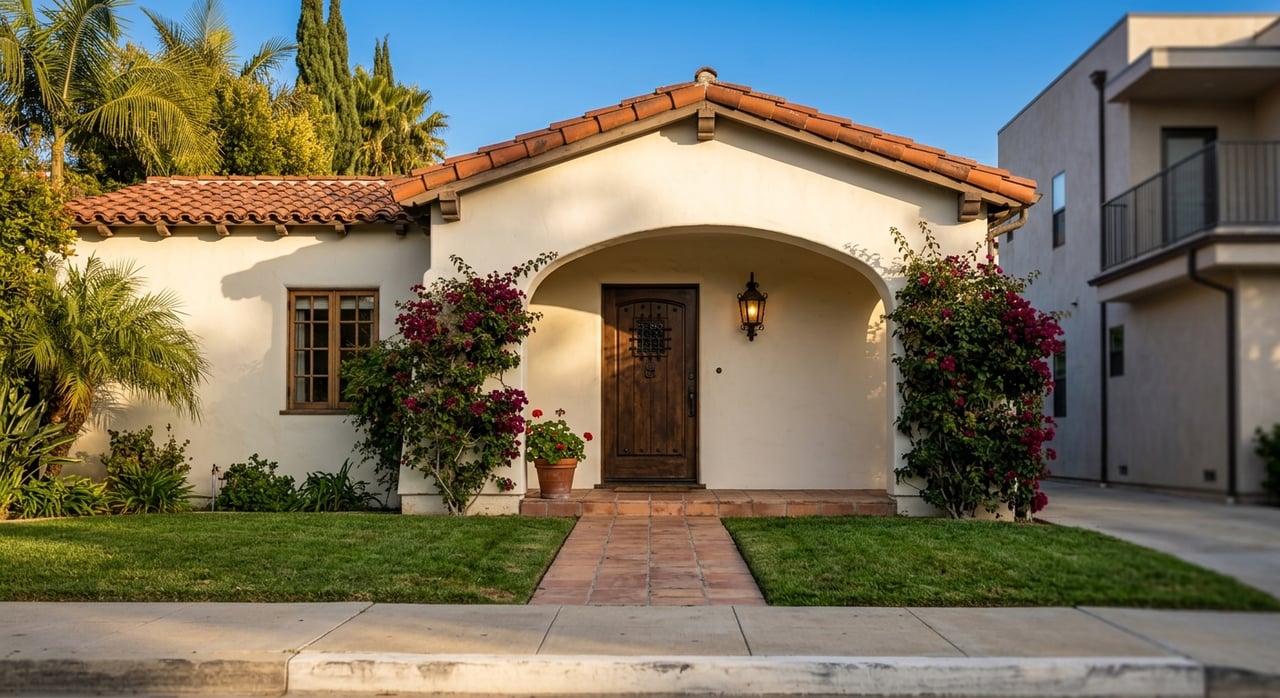
Trying to choose between a condo and a character home in Miracle Mile? You are not alone. This pocket of Mid-City gives you two very different ways to live, often within just a few blocks of each other. If you are weighing convenience against privacy, or monthly simplicity against architectural charm, this guide will help you sort through the tradeoffs and decide with more confidence. Let’s dive in.
Why Miracle Mile Feels Like Two Markets
Miracle Mile is not one uniform housing market. Within the Wilshire Community Plan area, the neighborhood includes a mix of detached homes and multifamily properties shaped by decades of development from the 1920s through the 1940s. That history is a big reason why your options here can feel so different from one street to the next.
In broad terms, single-family homes are more common north of Olympic Boulevard, while one- and two-story multifamily housing is more common south of Olympic. City Planning also notes consistent lot sizes, mature trees, uniform setbacks, and a mix of Period Revival architecture across the district. For you as a buyer, that means the condo-versus-house question in Miracle Mile is not just about price. It is about lifestyle, ownership structure, and how hands-on you want to be.
What a Miracle Mile Condo Offers
A condo often appeals to buyers who want a more streamlined day-to-day ownership experience. In many cases, the homeowners association handles common-area maintenance and repairs, which can reduce the amount of exterior upkeep on your plate. That can be especially appealing if you want central Los Angeles living without taking on every maintenance task yourself.
In California, condo ownership usually means buying into a common interest development with a mandatory association. The California Department of Real Estate explains that the association administers the property, enforces restrictions, and manages common areas, while you remain responsible for your separate interest and any exclusive-use common area. In simple terms, you are buying a home plus a shared governance structure.
That shared structure comes with rules and costs. You will want to review the CC&Rs, bylaws, and other governing documents carefully because they shape what you can and cannot do. You should also expect HOA dues to be a separate monthly cost from your mortgage.
Condo Costs Go Beyond the Purchase Price
One of the biggest condo advantages is often a lower entry price compared with detached homes in the same neighborhood. Recent Miracle Mile sales illustrate that gap clearly. Redfin reported a 2-bedroom condo at 750 S Spaulding Ave #312 sold for $825,000, while a 3-bedroom home at 923 S Ogden Dr sold for $2,419,000.
That said, a condo’s lower purchase price does not always mean lower monthly carrying costs. HOA dues can range from a few hundred dollars to more than $1,000 per month, and those dues are typically paid separately from your mortgage. If the association does not have enough funds for a major repair or replacement, the DRE notes that special assessments may also be charged.
This is why condo due diligence matters so much. Reserve funding, budget strength, and assessment history can all affect your ownership experience and future resale. A building that looks attractive on the surface may be less appealing if the financial planning behind it is weak.
Questions to Ask About a Condo HOA
Before you move forward on a Miracle Mile condo, it helps to ask practical questions like these:
- What are the monthly HOA dues?
- What do those dues cover?
- How strong are the association reserves?
- Has the building had any recent special assessments?
- Are there planned repairs for major components like roofs or exterior paint?
- What rules apply to pets, parking, outdoor areas, or renovations?
These questions can help you compare one condo opportunity to another in a more realistic way.
Outdoor Space Can Be Different Than It Looks
If a condo includes a patio, balcony, small yard, or parking spot, it is smart to confirm exactly what you are buying. In California, the DRE notes that these areas may be classified as exclusive-use common area rather than private land owned outright. That distinction matters because it can affect maintenance responsibility, use rights, and what changes you are allowed to make.
For some buyers, that arrangement is perfectly fine. For others, especially those who want full control over outdoor space, it can feel more limited than expected. It is worth understanding early so there are no surprises later.
What a Miracle Mile Character Home Offers
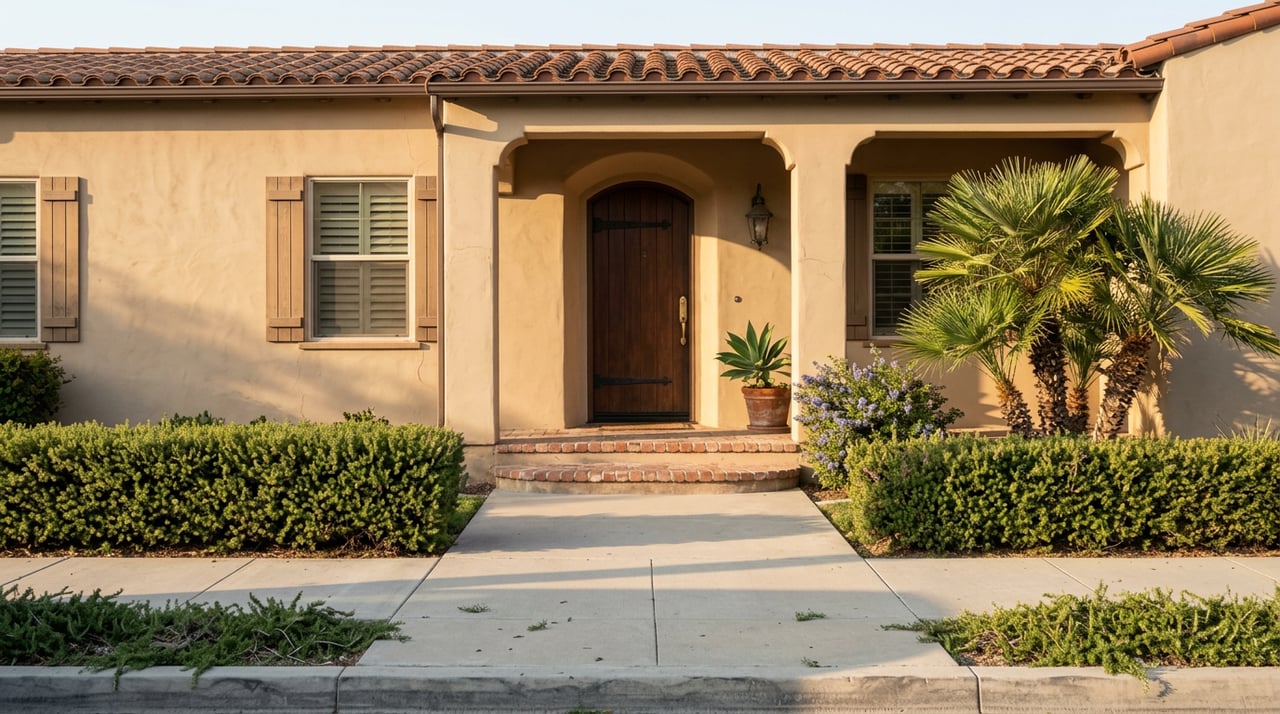
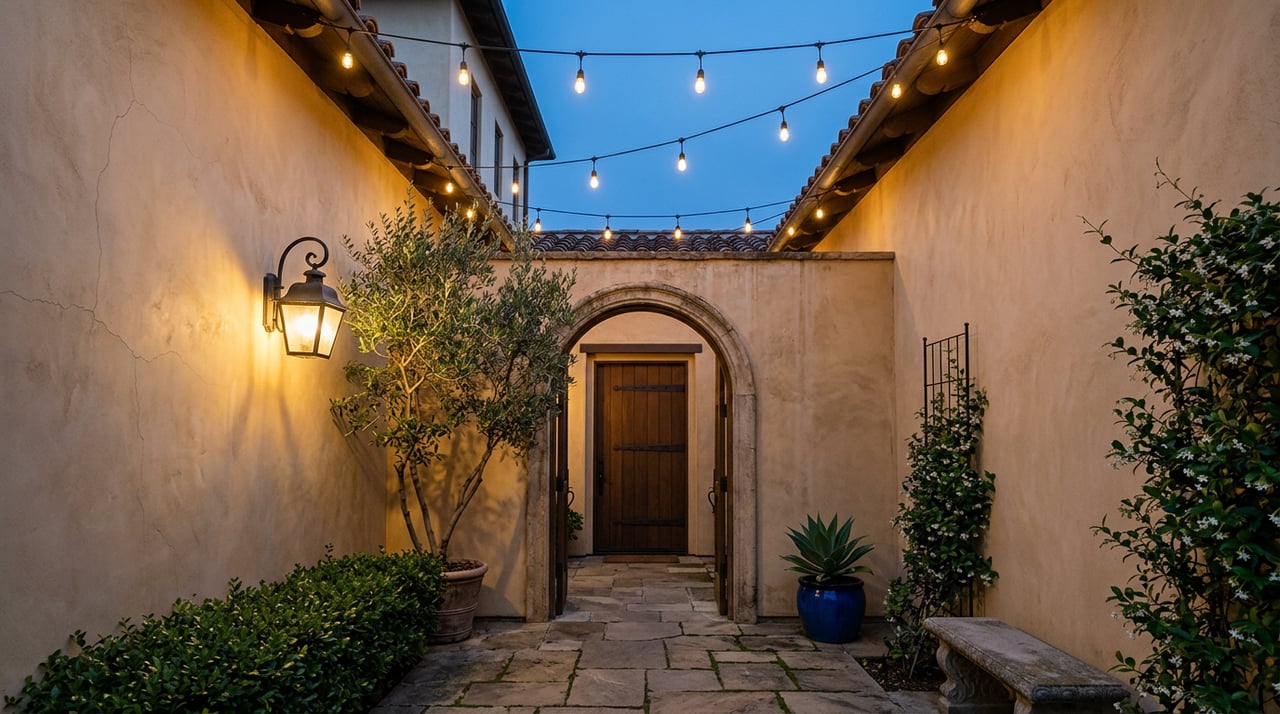
If you are drawn to charm, craftsmanship, and a stronger sense of architectural identity, a character home may be the better fit. Miracle Mile North is especially known for single-family homes built between 1924 and 1941, with Spanish Colonial Revival homes making up more than half of the housing stock there. Tudor and American Colonial Revival styles also appear throughout the area.
These homes often attract buyers who care about original details, detached-home privacy, and direct control over the property. Compared with condo living, a character home may offer more outdoor-space potential and a more independent ownership experience. It can also feel deeply connected to the history and design language that make Miracle Mile stand out.
That independence comes with more responsibility. Instead of relying on an HOA for exterior upkeep, you are usually managing the maintenance yourself. Because much of the housing stock dates to the 1920s through 1940s, older-home due diligence also becomes more important.
Historic Rules Matter in Miracle Mile
For many buyers, the appeal of a Miracle Mile home is tied directly to its historic setting. The neighborhood includes the Miracle Mile HPOZ, and Miracle Mile North has its own HPOZ context as well. In these historic districts, Los Angeles City Planning says exterior work, landscaping, alterations, additions, and new construction are subject to additional review.
That does not mean you cannot improve a home. It does mean your plans may need to complement the neighborhood’s historic character and go through a more detailed review process. If you are a design-conscious buyer who values authenticity, this can be part of the appeal. If you want fast, flexible exterior changes, it may feel more restrictive.
Character Home Questions to Consider
If you are leaning toward a detached home, ask yourself:
- How much maintenance are you comfortable managing?
- Are you open to the review process for exterior changes?
- How important are original period details to you?
- Do you want more direct control over outdoor space?
- Are you prepared for the realities of owning an older home?
Those answers can tell you a lot about whether the charm is a joy for you or a burden.
Comparing Condos and Character Homes
Here is the simplest way to think about the decision in Miracle Mile:
Factor | Condo | Character Home |
|---|---|---|
Ownership structure | Shared governance through HOA | Direct ownership of house and lot |
Monthly costs | Mortgage plus HOA dues | Mortgage plus owner-managed upkeep |
Maintenance | Common areas handled by HOA | Owner manages most upkeep |
Privacy | Typically more shared walls and spaces | Typically more separation and privacy |
Outdoor space | May be limited or exclusive-use common area | Often more direct control of yard space |
Rules | CC&Rs, bylaws, board rules | HPOZ review may affect exterior changes |
Architecture | Can range from historic to more straightforward multifamily living | Stronger connection to period design and detached-home character |
Neither option is better across the board. The right choice depends on what you value most in your daily life.
How Price and Pace Affect Your Decision
Miracle Mile’s market data reinforces how broad the range can be. In March 2026, Redfin reported a median sale price of $1,686,750, with 8 homes sold and a median 74 days on market. Realtor.com described the neighborhood as balanced during the same period, with 14 homes for sale, a 100% sale-to-list ratio, and a median 83 days on market.
For you, that means two things. First, you should expect meaningful price variation by property type. Second, it helps to look beyond headline neighborhood numbers and focus on the specific slice of the market you actually want to buy in.
A condo buyer and a detached-home buyer are often shopping in two very different lanes here. Comparing them side by side without adjusting for ownership costs, maintenance obligations, and resale dynamics can lead to the wrong conclusion.
What Matters Most for Resale
If resale is part of your decision, think about what future buyers are likely to care about. For condos, the financial health of the HOA matters. Reserve studies, funding plans, dues, and special-assessment history can shape both buyer confidence and long-term value.
For character homes, resale tends to be more closely tied to preserved curb appeal, intact period details, and the home’s relationship to Miracle Mile’s historic context. Buyers who shop for these homes are often responding to architecture as much as square footage. A house that respects that identity may have a stronger emotional pull in the market.
How to Decide With Confidence
If you want simpler exterior maintenance, are comfortable with HOA governance, and prefer a more structured ownership setup, a condo may be the better fit. If you want privacy, architectural personality, and more direct control over your property, a character home may be worth the added responsibility.
The key is to match the property type to your actual lifestyle, not just your wish list. In Miracle Mile, north-of-Olympic single-family blocks and south-of-Olympic multifamily blocks create distinctly different ownership experiences. When you evaluate budget, privacy, rules, maintenance, and design preferences together, the right path usually becomes much clearer.
If you are thinking about buying in Miracle Mile and want clear, neighborhood-specific guidance, Barrentine Group can help you weigh the tradeoffs and find the right fit for the way you want to live.
FAQs
What is the main difference between a Miracle Mile condo and a character home?
- A Miracle Mile condo usually involves HOA governance, shared property responsibilities, and lower day-to-day exterior maintenance, while a character home usually offers more direct control, more privacy, and more owner-managed upkeep.
What should buyers review before purchasing a condo in Miracle Mile?
- Buyers should review HOA dues, reserve funding, assessment history, CC&Rs, bylaws, and what areas are considered private versus exclusive-use common area.
What does HPOZ mean for a Miracle Mile character home buyer?
- In Miracle Mile historic districts, exterior work such as landscaping, alterations, additions, and new construction is subject to additional City Planning review to help maintain the area’s historic character.
Are character homes in Miracle Mile usually older properties?
- Yes. Many of Miracle Mile’s detached homes were built from the 1920s through the 1940s, so older-home condition and maintenance should be part of your due diligence.
Is Miracle Mile a condo market or a single-family home market?
- It is both. Miracle Mile includes single-family blocks, especially north of Olympic Boulevard, and multifamily housing, especially south of Olympic, which is why buyers often see very different property types in the same neighborhood.
How should resale concerns shape a Miracle Mile buying decision?
- For condos, pay close attention to HOA finances and assessment risk. For character homes, focus on condition, curb appeal, period details, and how the property aligns with the neighborhood’s historic context.