If you love Los Feliz, one of the first choices you may face is not just which home to buy, but which version of the neighborhood fits your life best. Los Feliz can feel like two different experiences in one place: the hills with their dramatic topography and architectural homes, and the flats with their walkable blocks and easy access to daily essentials. If you are trying to decide between the two, this guide will help you compare lifestyle, housing, and upkeep so you can focus your search with more confidence. Let’s dive in.
Los Feliz Hills Vs Flats
Los Feliz is not one uniform residential area. Official neighborhood and planning sources make a clear distinction between the hillside portion and the lower, more gridlike part of the neighborhood.
The Los Feliz Neighborhood Council identifies District A as Los Feliz Hills, while planning materials for the Los Feliz Village area describe a rectilinear street grid pattern, as opposed to the hills above. In everyday terms, buyers searching Los Angeles homes for sale often use “the hills” to mean the upper area closer to Griffith Park and north of Los Feliz Boulevard, and “the flats” to mean the lower blocks closer to the Village, Vermont Avenue, Hillhurst Avenue, and nearby commercial streets.
Daily Life In The Hills
If you are drawn to views, winding streets, and a quieter residential feel, the hills may be the better match. This part of Los Feliz offers a more scenic setting and a stronger sense of separation from the neighborhood’s busier commercial areas.
The biggest lifestyle advantage is proximity to Griffith Park. LA Parks identifies a Los Feliz entrance to Griffith Park, and the LADOT DASH Observatory/Los Feliz route connects Vermont/Sunset Station through Los Feliz and Hillhurst to the Greek Theatre and Griffith Observatory area. For many buyers, that means easier access to trails, outdoor recreation, and some of the area’s most recognizable landmarks.
The tradeoff is that hillside living often feels less walk-to-everything. Depending on the exact block and elevation, day-to-day errands may involve more driving and less casual strolling than you would get in the lower part of the neighborhood.
What The Hills Feel Like
The hills tend to appeal to buyers who want Los Feliz to feel more like a retreat. Streets curve with the terrain, lots are more irregular, and homes often take advantage of slope, privacy, and city views.
The Los Feliz Heights Residential Historic District report describes this area as a hillside community with architect-designed homes on the south-facing slope of Mt. Hollywood. It notes about 317 one- and two-story single-family residences, along with curving streets, sloping sites, and public stairways. That official description lines up with what many buyers are looking for when they picture classic hillside Los Angeles living.
Daily Life In The Flats
If your ideal day includes walking out for coffee, dinner, or errands, the flats may be the stronger fit. This part of Los Feliz is more connected to the Village and built around a more regular street layout, offering the kind of weekend living in Los Feliz that many urban buyers crave.
The Los Feliz Village Business Improvement District describes the Village as having more than 300 merchants and including portions of Hollywood Boulevard, Los Feliz Boulevard, and Sunset Boulevard between Hillhurst and Vermont. That concentration of shops, restaurants, and services gives the lower neighborhood a practical everyday rhythm that many buyers value.
Transit access is also strongest here. Barnsdall Art Park is located on Hollywood Boulevard and is served by nearby rail and bus connections, including the B Line stop at Vermont and Sunset. The DASH Observatory/Los Feliz route also links that station to Los Feliz, Hillhurst, the Greek Theatre, and Griffith Observatory.
What The Flats Feel Like
The flats tend to feel more connected, accessible, and neighborhood-oriented in a day-to-day sense. You may trade some elevation and dramatic views for a more convenient home base.
Planning and historic district materials describe the lower part of Los Feliz as more layered and compact, with a mix of residential buildings near the commercial district. For buyers who want a location that supports walking, transit use, and quick access to neighborhood amenities, that can be a major advantage.
Housing Types: What You Are More Likely To Find
The choice between hills and flats is also a choice between different housing patterns. While there is always block-by-block variation, official reports show clear differences in what each area tends to offer.
In the hills, the housing stock is more strongly associated with single-family homes and architect-driven design. In the flats, the housing mix is broader and includes multi-family forms that are part of Los Angeles’ historic residential fabric.
Homes In The Hills
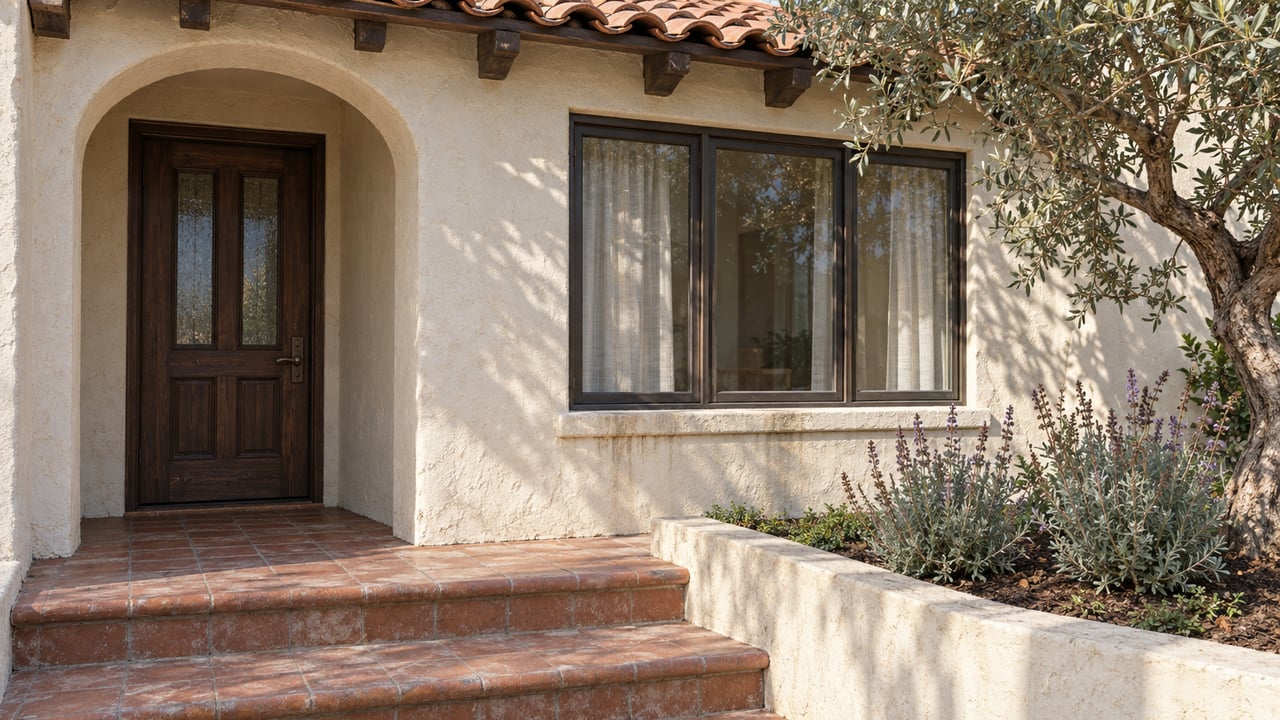
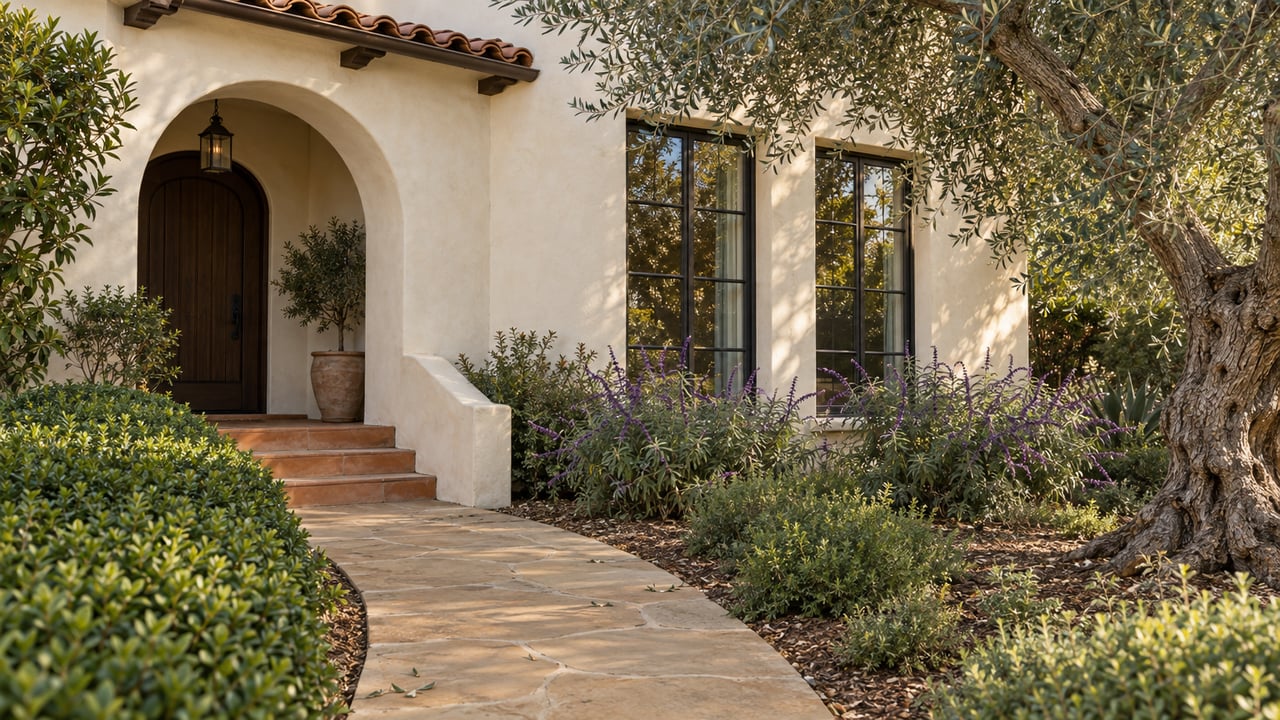
The hillside sections of Los Feliz are best known for single-family residences with strong architectural character. Historic documentation emphasizes Period Revival homes, view orientation, and development shaped by the slope itself. Understanding the hottest architectural styles in Los Angeles can help you identify these unique properties.
If you are searching for privacy, a one-of-a-kind feel, and a home that takes advantage of terrain and outlook, the hills often deliver that experience. Buyers who value architecture and a classic hillside setting are often drawn here first.
Homes In The Flats
The lower neighborhood offers a more varied mix. Historic district materials identify apartment houses, courtyard apartments, and a bungalow court, along with nearby single-family homes on smaller lots.
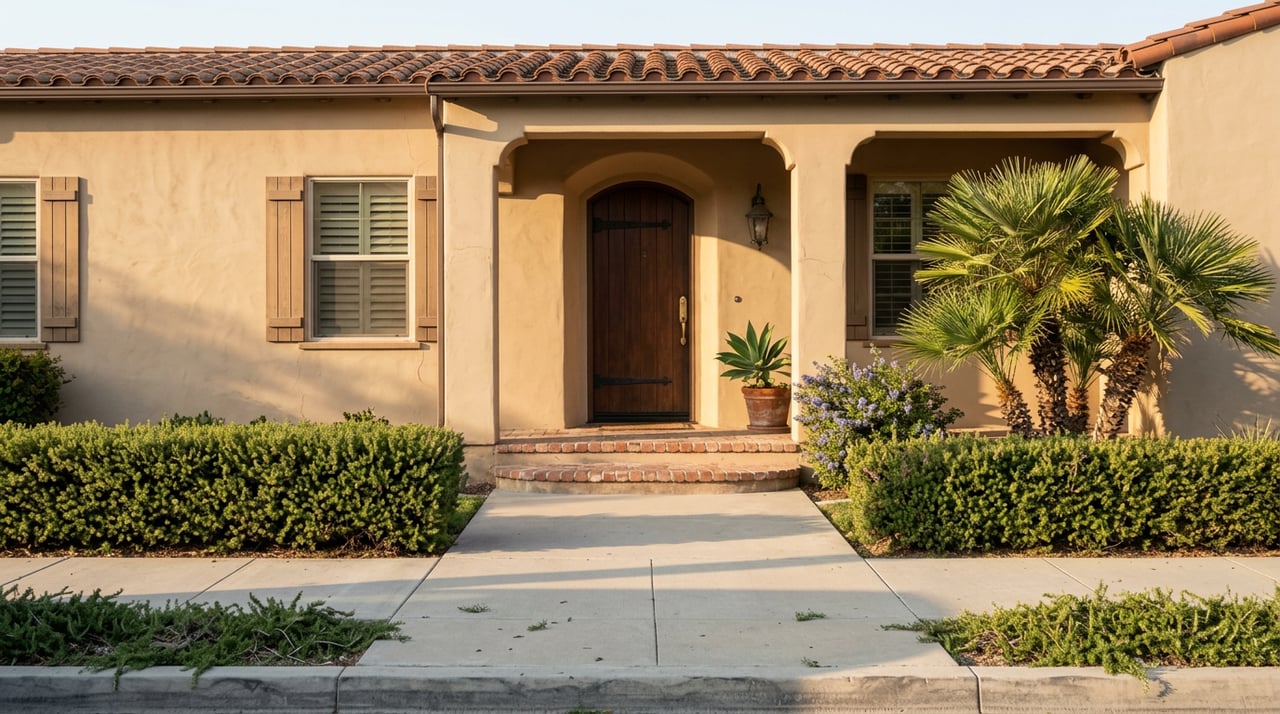
That means the flats can offer character without requiring a large hillside property. You may find smaller-unit living, shared outdoor space, and older infill patterns that still feel distinctly residential. For buyers open to condos, apartments, or compact houses with historic charm, this mix can create more options.
Maintenance And Ownership Tradeoffs
Lifestyle is only part of the decision. The type of property you choose can affect long-term maintenance, project planning, and your comfort with property oversight.
In Los Feliz, that difference often becomes sharper when you compare sloped hillside lots with flatter, more conventional sites.
Hillside Upkeep Can Be More Complex
Owning in the hills often means taking a closer look at the land itself, not just the house. The Los Angeles Department of Building and Safety states that grading permits are required for certain hillside work, including slope repairs, landslide repairs or removal, basement excavations, pool excavations, retaining-wall cuts, and backfill. These complexities are similar to what buyers encounter when exploring Hollywood Hills homes for sale.
The city also has special retaining-wall standards for hillside areas. On top of that, the Los Angeles Fire Department says properties in Very High Fire Hazard Severity Zones can face brush-clearance requirements, defensible-space expectations, and AB38 disclosure rules for buyers.
In practical terms, hillside ownership can involve more attention to drainage, slope stability, retaining walls, vegetation management, and contractor access. That does not make hillside homes a poor choice, but it does mean the ownership experience can be more site-specific.
Flat Lots Are Often Simpler
The lower, gridlike parts of Los Feliz generally avoid many of the slope-related issues that come with hillside ownership. That usually makes the maintenance conversation more straightforward.
Instead of focusing on grading or retaining walls, buyers in the flats are more likely to concentrate on the usual property questions such as roof condition, plumbing, foundation, parking, and building systems. It is not maintenance-free living, but the property challenges are often more familiar and less terrain-driven.
Parking And Commuting Considerations
Parking and mobility can shape your daily experience just as much as the house itself. In Los Feliz, the right fit often depends on whether you want walkability, transit access, or easier at-home parking conditions.
The lower neighborhood has a clear edge for walking and transit. But that convenience can come with more competition for curb space in some areas near the Village and commercial corridors.
A 2024 City Council file shows the conversion and expansion of Preferential Parking District No. 101 in the Los Feliz area. That suggests parking pressure is real on at least some nearby blocks, even if the impact varies by street.
In the hills, buyers often rely more heavily on driving. But depending on the property, you may gain some breathing room from the busiest commercial parking zones.
Which Part Of Los Feliz Fits You Best?
If you are trying to narrow your search, it helps to think less about which area is “better” and more about which tradeoffs suit your routine. Both parts of Los Feliz have strong appeal, but they support different ways of living.
Choose the hills if you want:
- A scenic, more secluded feel
- Strong single-family architectural character
- Quicker access to Griffith Park trails and views
- A home that feels more like a retreat
- Comfort with potentially more complex site maintenance
Choose the flats if you want:
- Better walkability for dining, coffee, and errands
- Easier access to the Village, Barnsdall Art Park, and transit
- A broader mix of housing types
- A more connected, everyday neighborhood rhythm
- Simpler lot conditions in many cases
For many buyers, the decision comes down to this: do you want Los Feliz to feel like a hillside escape, or a walkable home base? That answer can tell you a lot about where to focus.
If you are weighing homes in Los Feliz and want thoughtful guidance on neighborhood fit, property character, and the tradeoffs that matter in real life, Barrentine Group is here to help. Contact us to discuss your options.
FAQs
What is the difference between the Los Feliz hills and flats?
- The hills are the upper, more topographically dramatic area closer to Griffith Park, while the flats are the lower, more gridlike and commercial-adjacent parts of Los Feliz.
Are Los Feliz flats more walkable than Los Feliz hills?
- Yes. The flats are generally closer to the Los Feliz Village commercial area, which includes more than 300 merchants, and they also have stronger access to transit connections.
Do Los Feliz hills have better access to Griffith Park?
- The hills have the most direct connection to Griffith Park, including access to trails and nearby destinations such as the Greek Theatre and Griffith Observatory area.
Are homes in Los Feliz hills mostly single-family?
- Historic district documentation describes the hillside area as being made up largely of architect-designed one- and two-story single-family residences.
What housing types are common in Los Feliz flats?
- The flats include a broader mix of housing, such as apartment houses, courtyard apartments, bungalow courts, and smaller-lot single-family homes.
Is hillside home maintenance in Los Feliz more complicated?
- It can be. Hillside properties may involve added considerations related to grading, retaining walls, drainage, brush clearance, and site-specific conditions.
Is parking harder in the Los Feliz flats?
- It can be on some blocks near the Village and commercial corridors, as shown by the city’s 2024 parking district changes in the Los Feliz area.
How should buyers choose between Los Feliz hills and flats?
- A practical way to decide is to match the area to your daily priorities: the hills for views, privacy, and architectural hillside living, or the flats for walkability, transit, and easier access to neighborhood amenities.