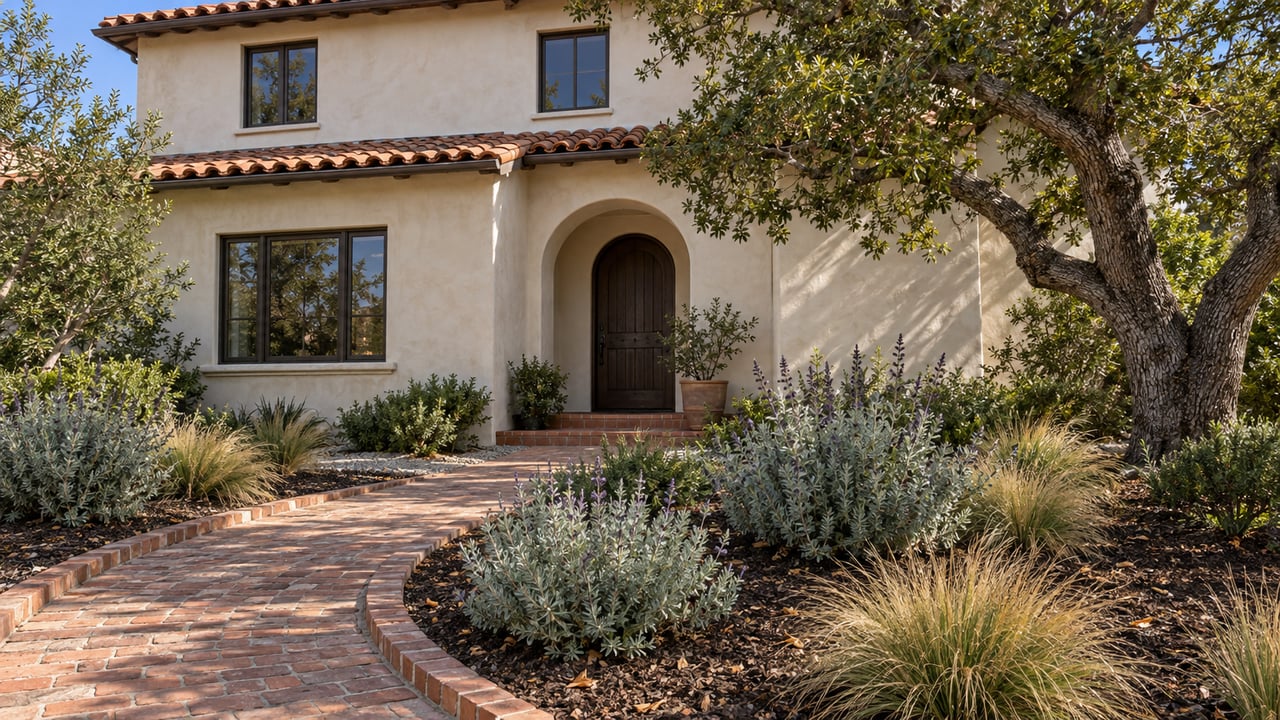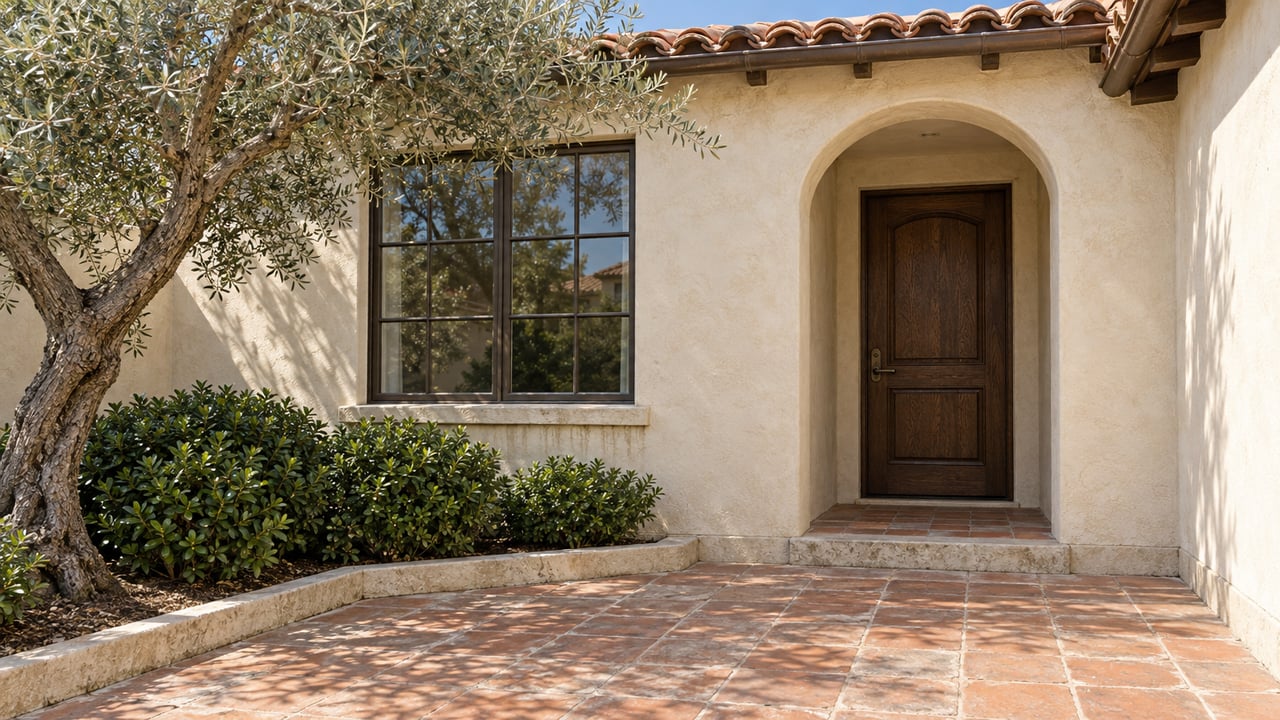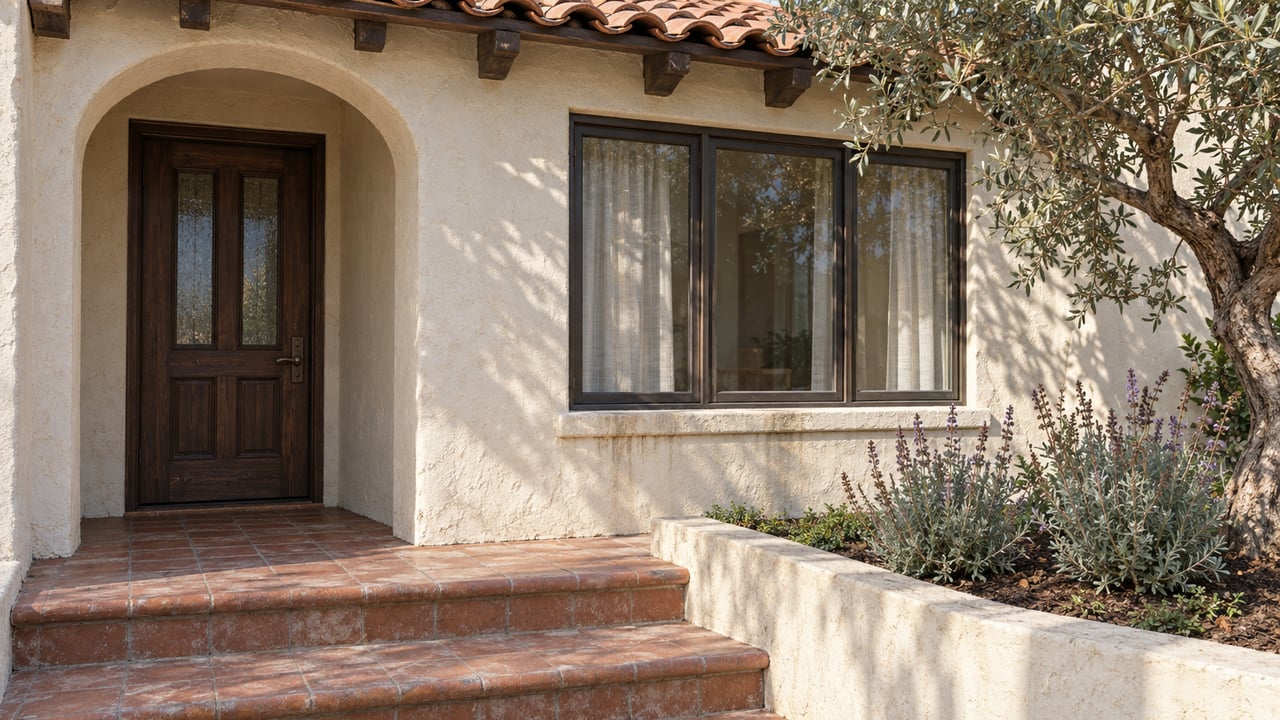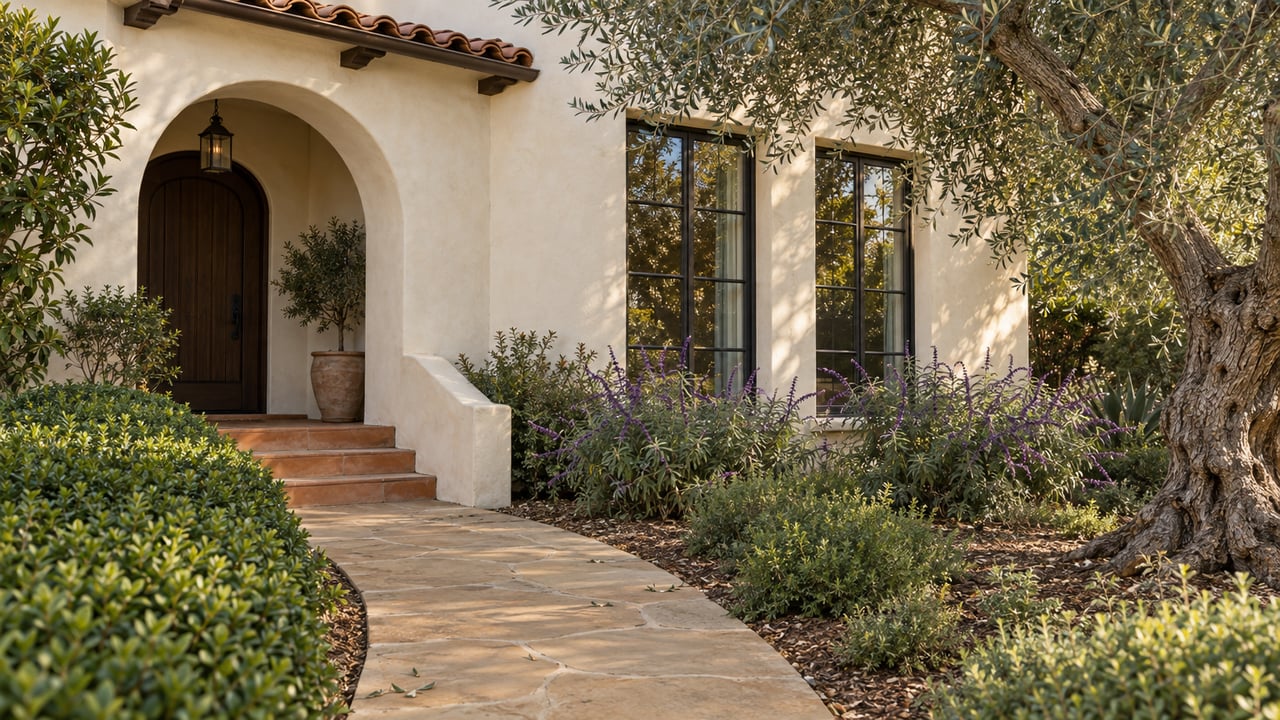
Stand at Beverly Boulevard and La Cienega and you can watch two different Los Angeles building codes argue with each other in real time. A block east, Cedars-Sinai now owns the Beverly Connection shopping center outright. A block west, a developer has revised plans for a single commercial lot, increasing the proposed height from five stories to 15. Turn one corner south onto a residential street lined with 1920s Spanish bungalows, and none of that appears to be happening at all. Same roofline heights as a decade ago. Same setbacks. Same modest additions instead of the boxy, oversized remodels that reshaped other Mid-City blocks in the 2010s.
That's not an accident of timing. It's the direct result of a rule most buyers never hear about until they're already deep into a purchase, and it's the reason Beverly Grove behaves differently than its median price alone would suggest.
The rule that froze the middle
In 2008, the Los Angeles City Council passed ordinance 182754, amending the zoning code specifically for the area unofficially known as Beverly Grove, bounded by Colgate Avenue to the north, Fairfax Avenue to the east, Lindenhurst Avenue to the south, and San Vicente Boulevard to the west. The city's own language for why is blunt: the neighborhood was seeing a noticeable increase in demolitions and out-of-scale new construction on single-family lots. The fix was a Residential Floor Area Supplemental Use District, an overlay that caps how much house you can build relative to your lot, on top of the citywide baseline rules.
Practically, this means a homeowner on an R1 lot inside that boundary can't simply max out square footage the way an equivalent lot two neighborhoods over might allow. The variation zone shows up in ZIMAS as part of the zoning string attached to the parcel, and it constrains additions, second stories, and full rebuilds alike. If you're comparing a Beverly Grove listing to one in an area without this overlay, the raw lot size and zoning code can look identical while the actual buildable ceiling is not.
That's the quiet half of the story. The loud half is happening on the boulevards that box the neighborhood in.
The edge is doing the opposite
Cedars-Sinai's growth around its Beverly Grove campus isn't optional in the way most private development is. California's Alfred E. Alquist Hospital Facilities Seismic Safety Act, passed in 1983, requires acute care hospitals statewide to meet seismic performance standards by 2030. That deadline has been shaping Cedars-Sinai's real estate decisions for over a decade. The hospital added its eleven-story Advanced Health Sciences Pavilion on San Vicente Boulevard in 2013 and won approval for a new patient tower fronting Beverly Boulevard in 2022. In early 2026, it closed on the Beverly Connection shopping center a block east of the main campus, reportedly paying $270 million for roughly 340,000 square feet of retail space that had been struggling financially under its previous owner. No redevelopment plan has been published yet, but a hospital system doesn't spend that kind of money on adjacent retail without a use for the land.
Half a mile west, developer Uncommon has been trying to redevelop a 1950s commercial building at 7959 Beverly Boulevard since 2019. The plans have grown every time they've been revised. The original filing called for five stories and 57 units. A 2023 revision nearly doubled that to 113 units. The latest application, filed in December 2025, asks for 15 stories and 135 apartments, using density bonus incentives in exchange for setting aside 11 very low income units and 11 moderate income units. The successive filings show the proposal's changing scale on a commercial parcel just outside the residential overlay's reach.
That proposal is not the only one reshaping the commercial perimeter. Senior housing called The Leonard on Beverly took shape at 8070 West Beverly Boulevard with a planned fall 2025 opening. The City Planning Commission signed off on 90 apartments over retail at 8251 Melrose Avenue after an appeal against the project was rejected. And at 8353 West 3rd Street, a corner lot held by a family trust became the first project citywide to use the Expanded Administrative Review process under the city's newer Citywide Housing Incentive Program, replacing an auto body shop with an eight-story building of 33 apartments and ground-floor retail.
None of this touches the residential interior. All of it is reshaping the commercial frame around it.
Two Beverly Groves, one address
Residential interior | Commercial perimeter | |
|---|---|---|
Governing rule | RFA overlay since 2008, caps floor area on R1 lots | Base zoning plus density bonus law, no comparable cap |
Recent activity | Modest additions, few full rebuilds | Cedars-Sinai's $270M acquisition, Uncommon's tower, Leonard on Beverly, Melrose and 3rd Street approvals |
What changes for a buyer | Predictable scale from block to block | Years of construction, added density, new retail and medical uses nearby |
A home shopper who only checks the median doesn't see this split. As of August 2026, Beverly Grove's median sale price sits around $1.85 million, with single-family homes typically starting near $1.3 million and climbing toward $2 million or more on blocks closest to the Beverly Hills line. That range holds whether you're three doors from a protected residential street or three doors from a construction fence. The zoning overlay and the pending projects don't show up in that number at all.
They matter for a different reason than resale value. A capped residential interior means the character of the block you're buying into is unlikely to change dramatically around you, at least on the single-family side. A rapidly redeveloping commercial edge means the amenities, traffic patterns, and construction timeline near that same block could look meaningfully different in five years than they do today. Neither is automatically good or bad. Both are worth knowing before you write an offer, not after.
One more local detail worth having in the same conversation: Beverly Grove sits entirely within Los Angeles city limits, unlike the separately incorporated city of Beverly Hills next door.
What to actually check before you buy on a specific block
The median price and the neighborhood name only tell you so much. Before making an offer in Beverly Grove, it's worth confirming two things that don't show up on a listing sheet. First, pull the parcel's zoning string in ZIMAS to see whether the RFA variation zone applies and what it means for any addition or rebuild you might want down the line. Second, check the LA City Planning Department's pending applications for anything filed within a block or two, since a project like the one at 7959 Beverly Boulevard can move from a five-story filing to a fifteen-story one over several years without much public notice in between.
Neither step takes long, and both tell you more about what your specific block will feel like in ten years than the median price ever will.
A Few Common Questions
Does the RFA overlay apply to ADUs?
Anyone planning an accessory dwelling unit should confirm how it interacts with the RFA overlay with a permit expediter or the LA Department of Building and Safety before finalizing plans.
Is Cedars-Sinai's expansion a plus or a minus for nearby home values?
It depends on what gets built and how close you are to it. Proximity to a major medical campus has historically supported demand in Mid-City neighborhoods, but no redevelopment plan for the Beverly Connection site has been published yet, so specifics remain unknown.
Beverly Grove's residential streets and its commercial boulevards are operating under two different sets of rules right now, and that split says more about what you're actually buying than the price per square foot does. If you're comparing this neighborhood against Hancock Park, Miracle Mile, or another Mid-City block and want help reading a specific parcel's zoning history or the projects filed near it, Barrentine Group can walk through what's actually on file before you make an offer.
This article is general information, not legal, tax or financial advice. Consult a qualified professional about your situation.