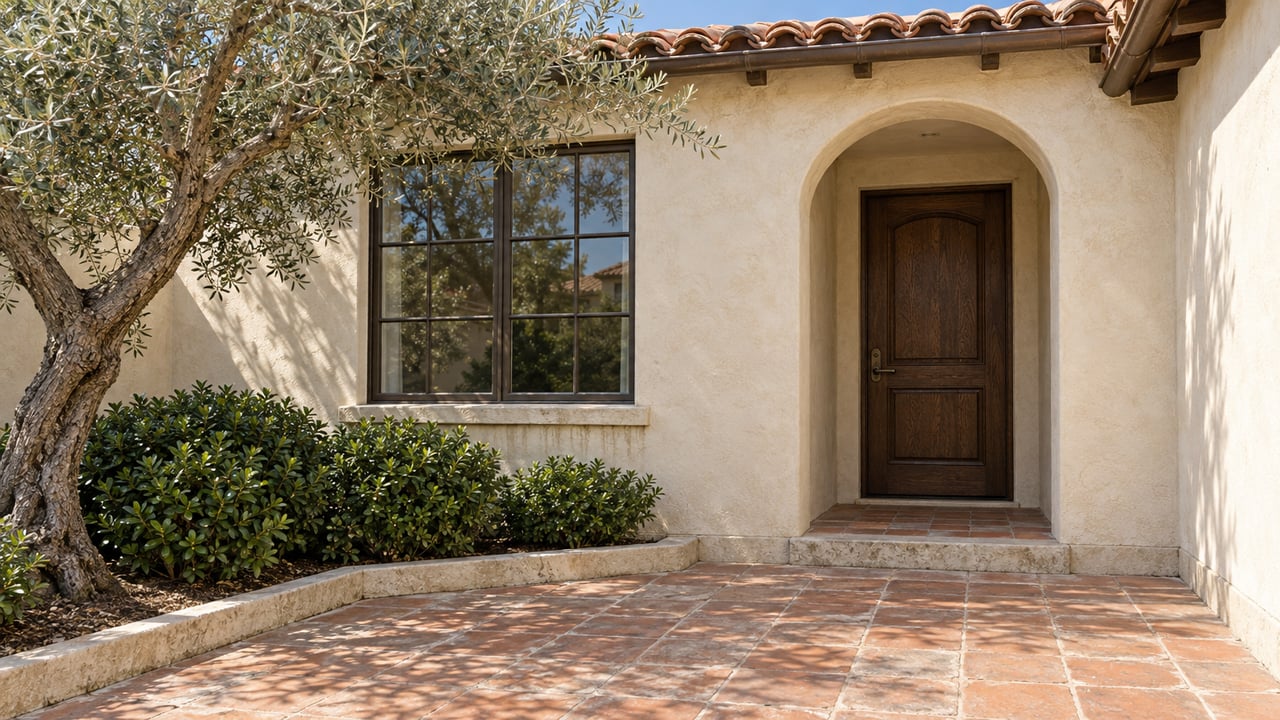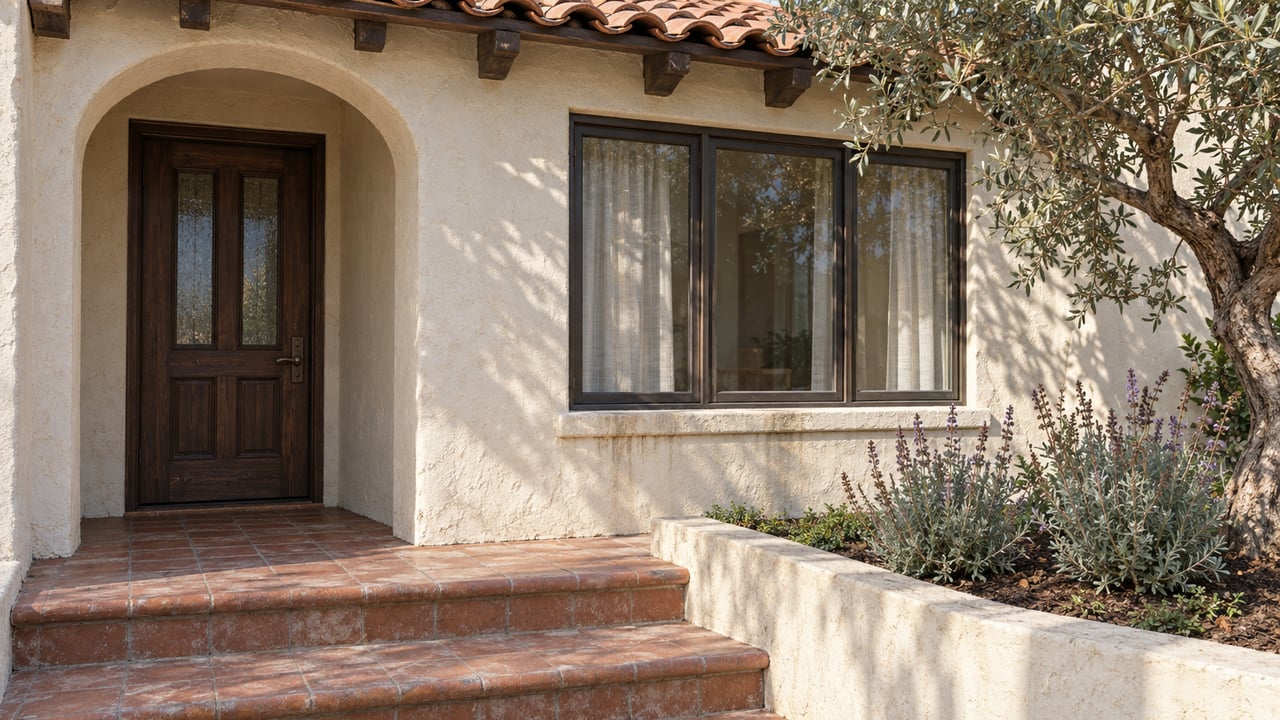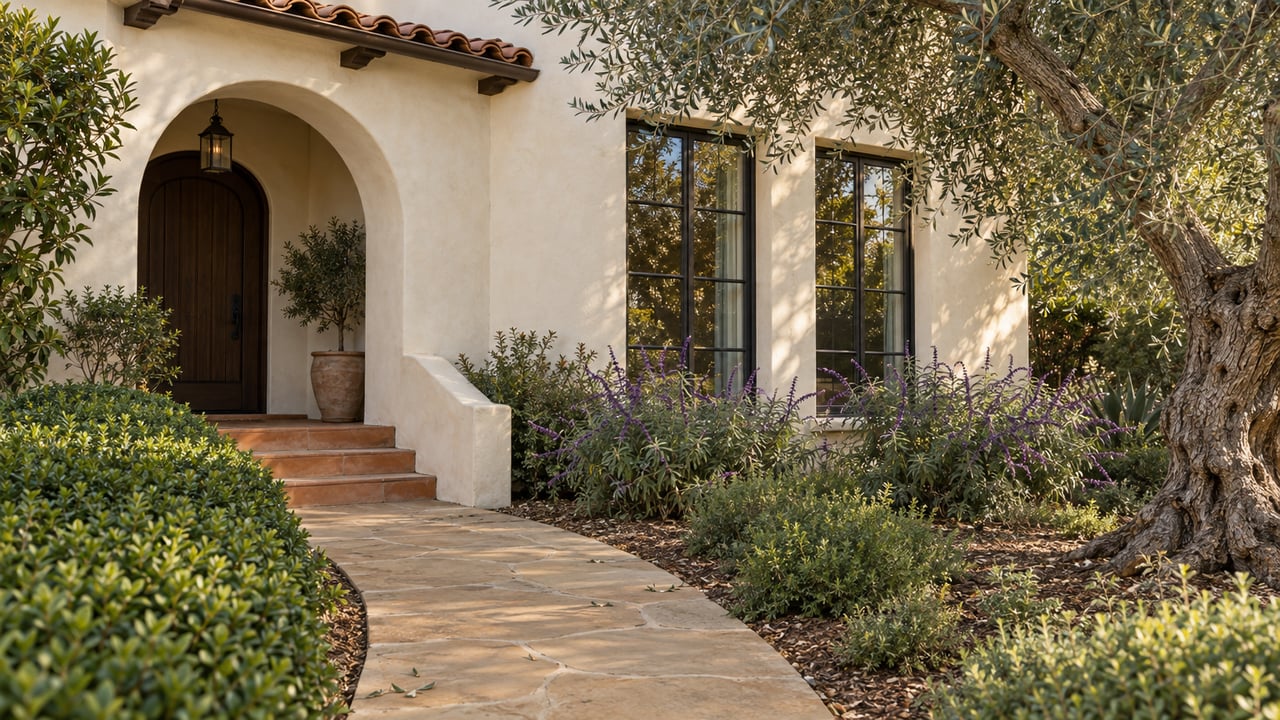
As FOX 11 Los Angeles reported, Mayor Karen Bass said at the ribbon cutting for the new Wilshire/Fairfax and Wilshire/La Brea stations on May 8, 2026, "This train will give us new doors to some of the most iconic places in our city." Four months later, the doors that actually swung open belong to apartment buildings, not the bungalows and Spanish Revival houses that make Miracle Mile worth writing about in the first place.
If you have been watching this market from the outside, you have probably seen the headline version: a subway comes to a neighborhood, home values follow. It is a tidy story and it is not entirely wrong. But the way it played out here is more specific, and more useful to know if you are actually the one buying or selling a house near Museum Row this year.
Two Numbers That Don't Agree With Each Other
By March 2026, the median sale price for a home in Miracle Mile had climbed to $1,686,750, up 24.3 percent year over year. That is a real number, and it is the one that gets repeated in market recaps.
Here is the number that gets left out. In the most recent month by month breakdown available for the neighborhood, October 2025, only five single family homes sold, down from six the year before. Days on market during that same window had stretched to 79, up from 61 a year earlier. Prices were rising and homes were sitting longer, at the same time, in a market where five or six closings make up the entire monthly sample.
That combination only makes sense once you understand what a median does when the sample is small. With that few transactions, one estate sale of a fully restored 1920s Spanish Revival on a premium block can pull the median up on its own, while three ordinary listings a few streets over sit unsold for months. The neighborhood is not uniformly hot. It is producing a handful of exceptional results that get reported as if they describe the whole market.
Active listings tell the same story from a different angle. As of February 2026, single family homes on the market across Miracle Mile ranged from $549,000 to just under $5 million, with a median list price near $1.8 million. That is not a neighborhood moving in one direction. That is a neighborhood where condition, block, and lot size are doing more work than proximity to a train platform.
Where the Institutional Money Actually Went
If the single family market is thin and uneven, something else is clearly happening, because Miracle Mile has drawn real capital since the D Line extension opened. It is just not chasing the same properties a homebuyer would.
As Commercial Observer reported, in September 2026, Decron Properties paid $114 million for a 163-unit residential and retail property at 5550 Wilshire Boulevard, marking the firm's first Los Angeles acquisition in nearly two years after a stretch of focusing on Sun Belt markets. Decron's president and CEO David Nagel described Los Angeles as "one of the nation's most important and chronically undersupplied housing markets." The building includes 14,686 square feet of ground floor retail leased to Chipotle, Five Guys, and FedEx Office, all fully occupied.
According to HELOC Real Estate Investor, two months earlier, Prime Residential closed on the 132-unit Palm Court Apartments at 740 South Burnside Avenue for $51.3 million. Prime Residential is not a new arrival. The firm has owned Park La Brea, just north of Miracle Mile, since 1995. That property alone runs 4,249 rent-controlled units across 18 high-rise towers and 175 garden-style buildings on 144 acres, reportedly the largest apartment complex west of the Mississippi.
| Deal | Address | Units | Price | Closed |
|---|---|---|---|---|
| Decron Properties acquisition | 5550 Wilshire Boulevard | 163 | $114 million | September 2026 |
| Prime Residential acquisition | 740 South Burnside Avenue (Palm Court) | 132 | $51.3 million | July 2026 |
Put those two deals next to the single family numbers and the picture sharpens. The capital in those two deals is going into apartment and mixed-use properties, not single family homes. That is a different investment from a three bedroom house on Dunsmuir or Detroit.
What a Thin Market Means If You're Selling a House Here
If you own a house in Miracle Mile and you have been told the neighborhood is appreciating on the back of transit access, that is true in aggregate and nearly useless as pricing guidance for your specific property. With only a handful of closings a month, there may not be a clean comp within a few blocks of your address, let alone one that closed in the last 90 days.
A few things matter more here than they would in a higher volume market:
- Condition and presentation carry outsized weight, because a well restored historic house is one of the few things reliably pulling the median upward right now.
- An appraisal that leans on thin comps can come in low or high depending on which handful of sales the appraiser finds, which makes a clear, documented pricing rationale worth having before you list.
- The rising days on market figure is a signal to price realistically from the start rather than testing the market high and chasing it down, which tends to extend time on market further in a neighborhood where buyers are already watching that number.
What It Means If You're Buying Instead of Renting
Walking distance to Wilshire/Fairfax or Wilshire/La Brea is a genuine amenity. It is not, on its own, a guarantee that a specific house will outperform the neighborhood average. The spread between a $549,000 listing and one near $5 million in the same zip code in February 2026 tells you that block, lot, and renovation history are still doing most of the pricing work.
A more useful lens is the difference between property types. The deals above involve apartment and mixed-use properties, while a single-family purchase may be built around long term ownership and eventual resale. If you are buying a house here, the station is a lifestyle upgrade worth having. Treat it as one factor in a purchase decision, not the deciding one.
A Few Questions Worth Asking Before You Act
Does buying near the new station guarantee a resale premium later? Not on the evidence so far. The price gains showing up in the median are concentrated in a small number of exceptional sales, not spread evenly across the market. A house near the platform is well positioned, but position alone has not been enough to move ordinary listings faster or higher.
Should I wait to sell until the Beverly Hills and Century City sections open? Sections 2 and 3 of the D Line extension are tentatively scheduled for spring and fall 2027. That is far enough out that waiting on it as a pricing strategy means waiting through at least one more full year of carrying costs, taxes, and whatever the broader rate environment does in the meantime. Worth factoring in, not worth building a timeline around.
Miracle Mile's numbers reward a close reading right now more than a quick one. If you are trying to figure out what your house is actually worth in a market this thin, or what a listing near the new stations should realistically expect to draw, that is exactly the kind of pricing question we spend our time on. Reach out to the Barrentine Group when you are ready to talk specifics.