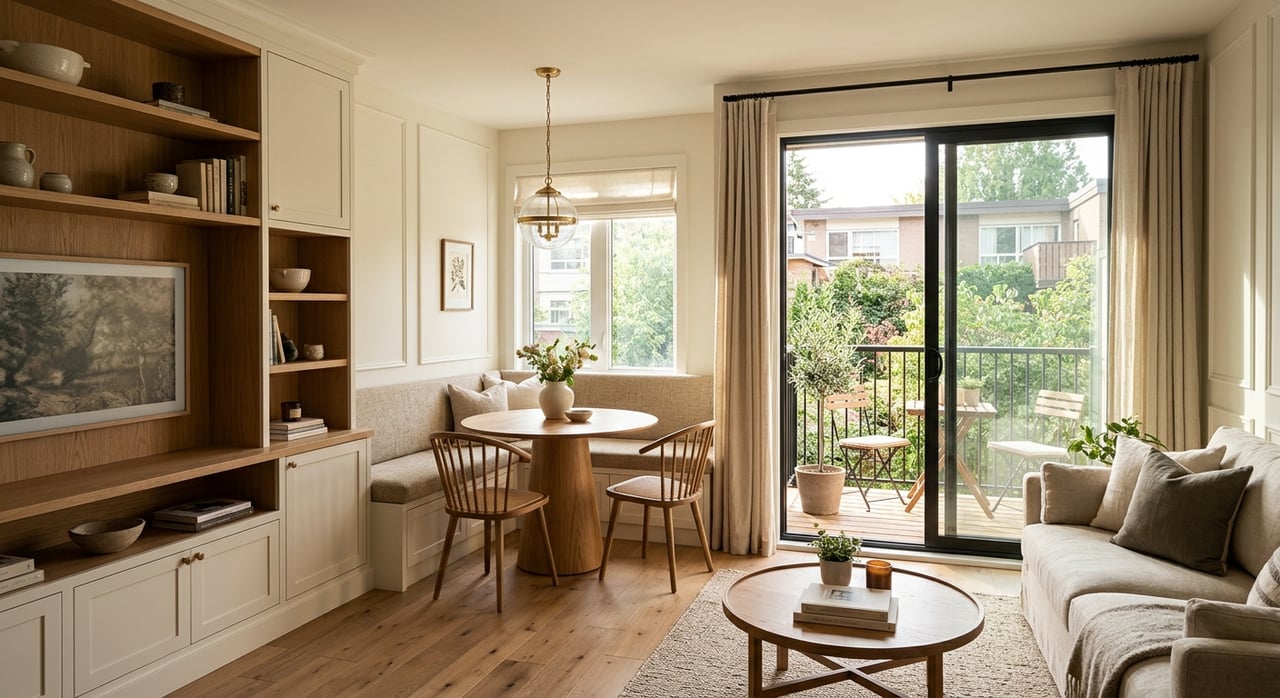
Wondering how to make a West Hollywood condo feel bigger without adding a single square foot? In a city where compact living is common, smart design choices can have a real impact on how your home looks, functions, and even how buyers respond to it. Whether you are settling into a condo, exploring Los Angeles homes for sale, or preparing one for the market, a few thoughtful updates can help you create more storage, better flow, and a more open feel. Let’s dive in.
Why space matters in West Hollywood condos
West Hollywood is one of the densest cities in the region, with 18,939.1 people per square mile according to Census QuickFacts. The same source reports an average household size of 1.52 people and an owner-occupied housing rate of 19.8% in 2020-2024.
The city’s 2018 community study adds more context. It found that 22% of respondents lived in condos and 64% lived in apartments. Put simply, compact homes are a major part of daily life in West Hollywood, so design that improves storage, circulation, and flexibility tends to matter more than raw square footage.
Start with storage-first design
When space is limited, storage should lead the plan rather than come in at the end. The best small-space interiors make everyday items easy to tuck away while keeping the room visually calm.
Vertical storage is one of the simplest ways to do that. Floating shelves, tall built-ins, vertical gallery walls, and wall-mounted lighting can draw the eye upward while preserving valuable floor space.
Multi-use furniture also works hard in condos. Pieces like Murphy beds, drop-leaf tables, storage ottomans, daybeds, and bookcases that double as side tables or dividers can help one room serve more than one purpose.
Smart storage ideas to consider
- Add tall shelving instead of wide, low units
- Choose a bed frame or ottoman with hidden storage
- Use a drop-leaf or folding dining table for flexibility
- Try wall-mounted lighting to free up table surfaces
- Use a bookcase as a soft divider in open-plan spaces
Keep the footprint edited
One of the fastest ways to make a condo feel larger is to remove what competes for floor space. Bulky furniture can make even a well-laid-out room feel cramped. These principles are also essential when considering condo upgrade ideas.
For sellers, this matters even more. The National Association of Realtors consumer staging guidance recommends removing oversized furniture, packing away personal items, and keeping closets half full rather than packed.
That advice is practical for everyday living too. When walkways stay clear and surfaces stay lighter, your condo feels easier to move through and easier to enjoy.
Use light and sight lines well
A small condo often feels larger when your eye can travel easily across the room. That means protecting windows, keeping major pathways open, and placing furniture in ways that do not interrupt the longest sight lines.
Mirrors can help by reflecting both daylight and artificial light. They are one of the simplest tools for making a compact room feel brighter and more expansive.
Lower-profile furniture can also make a difference. Platform beds, slim-legged chairs, and pieces with a lighter visual weight can help rooms feel taller and less crowded.
Ways to create visual openness
- Place seating or a small dining area near windows
- Avoid blocking natural light with tall or heavy pieces
- Use mirrors to reflect light and extend the room visually
- Choose slim-legged or lower-profile furniture
- Keep main circulation paths open and easy to navigate
Create zones without adding walls
Open layouts work well in condos, but they can also feel undefined if everything blends together. The goal is not to carve up the room too much. It is to give each area a clear purpose.
Rugs are especially useful here. A larger rug can define a living, dining, or sleeping area without making the space feel chopped up, and it often helps the room feel more cohesive and roomy.
Bookcases or daybeds can also act as subtle dividers. These pieces give you function while helping each zone feel intentional.
Choose a calm, cohesive palette
In smaller homes, visual calm matters. A condo does not need to feel empty, but it does benefit from a more consistent look across materials, finishes, and decor. If you're looking for inspiration, our guide on how to choose paint tones for every room offers excellent strategies.
Cohesive palettes and repeated materials usually do more for a room than lots of small decorative items. Too many accents can create visual noise, while a tighter palette helps the space feel more settled and open.
If you are preparing to sell, this approach can also keep attention on the layout rather than on highly personal design choices. That makes it easier for buyers to picture how they would use the space.
Turn the balcony into usable living space
In West Hollywood, even a small balcony can feel like an extra room when it is designed with intention. Instead of treating it like storage overflow, think of it as an extension of the condo itself.
A strong approach is to echo the tones, textures, and silhouettes you use indoors. When the balcony feels connected to the interior, the whole home often reads as larger and more complete.
Useful additions can include outdoor rugs, slim or low-profile furniture, folding chairs and tables, and plants placed at different heights. Railing planters, hanging planters, and vertical garden solutions can also add greenery without taking up much floor area.
Layered lighting helps make the balcony more usable in the evening. String lights or battery- or solar-powered lamps can create a more finished feel.
Balcony upgrades that work well
- Use an outdoor rug to define the space
- Choose folding or slim furniture that is easy to move
- Add container plants at varying heights
- Consider railing or hanging planters to save floor space
- Use a few larger pieces instead of many small ones
- Add soft lighting to make the space usable after dark
Know when permits may apply
Some condo updates are simple decor changes. Others may cross into work that needs city review. Understanding these rules is crucial, especially if you are evaluating the West Hollywood condo market and what owners should know now.
According to West Hollywood’s Building FAQ, permits are required for most alterations, and electrical permits are required for wiring. The city also notes that some items that may seem exempt can still require Planning Division approval.
That is especially important if you are thinking about changes that affect wiring, exterior features, or the building itself. Before starting a larger balcony or interior project, it is wise to confirm what approvals may be needed.
Why space-maximizing design helps resale
Good design is not only about daily comfort. It can also support a stronger presentation when you sell.
The National Association of Realtors 2025 Profile of Home Staging found that 83% of buyers’ agents said staging made it easier for buyers to envision a home as their future residence. The same report found that 29% of agents saw a 1% to 10% increase in the dollar value offered on staged homes, and 49% of sellers’ agents saw reduced time on market. To get started, review our DIY home staging tips.
The rooms buyers’ agents said matter most for staging were the living room at 37%, the primary bedroom at 34%, and the kitchen at 23%. In a condo, those are often the spaces where smart editing, better storage, and stronger light can make the most visible difference.
Features that tend to support a better showing
- Uncluttered rooms with clear walkways
- Closets that feel organized rather than overstuffed
- Furniture scaled to the room
- A balcony staged as usable outdoor space
- Decor that supports the layout instead of distracting from it
Common mistakes to avoid
Small-space design works best when it stays intentional. A few common mistakes can quickly make a condo feel tighter than it really is.
Overcrowding is one of the biggest issues, both indoors and on balconies. Many small objects can read as clutter faster than a few larger, well-chosen pieces.
Blocked windows and interrupted sight lines are another problem. If natural light cannot move through the room, the condo often feels smaller right away.
Very bold or highly personalized decor can also distract from the layout, especially when selling. And if a project affects wiring, the exterior, or the building structure, skipping permit review can create avoidable issues.
A strategic approach for West Hollywood owners
In West Hollywood, maximizing space is really about making every area work harder and feel calmer. Storage, light, zoning, and balcony use all play a role in how functional a condo feels day to day.
If you are preparing to sell, those same design choices can help buyers see the home’s potential more quickly. Clean lines, edited furnishings, and thoughtful staging often do more than expensive changes that do not improve flow.
For owners who want to balance style, livability, and resale appeal, a strategic plan matters. If you are thinking about preparing a condo for market in West Hollywood or exploring your home's valuation, the Barrentine Group can help you position the property with the kind of thoughtful presentation that supports a strong result. Work With Us today.
FAQs
What design ideas help a West Hollywood condo feel larger?
- The most effective ideas include vertical storage, multi-use furniture, mirrors, lower-profile pieces, larger rugs for zoning, and a cohesive color palette that keeps the space visually calm.
How can you add storage in a small West Hollywood condo?
- You can add storage by using floating shelves, tall built-ins, hidden-storage furniture, wall-mounted lighting, and flexible pieces like bookcases that also divide space.
Does staging matter when selling a West Hollywood condo?
- Yes. The National Association of Realtors 2025 Profile of Home Staging found that 83% of buyers’ agents said staging made it easier for buyers to envision a home as their future residence, and many agents also reported reduced time on market.
What rooms matter most when staging a condo for sale?
- According to the National Association of Realtors 2025 staging report, the living room, primary bedroom, and kitchen were the rooms buyers’ agents identified as most important to stage.
How should you use a small balcony in a West Hollywood condo?
- A small balcony works best when it is treated like an extra room, such as a lounge, work area, or plant-filled retreat, with slim furniture, layered lighting, and a design that feels connected to the interior.
Do balcony or condo upgrades in West Hollywood require permits?
- They may. West Hollywood’s Building FAQ says permits are required for most alterations, electrical permits are required for wiring, and some projects may also need Planning Division approval, especially when they affect exterior features or the building itself.